
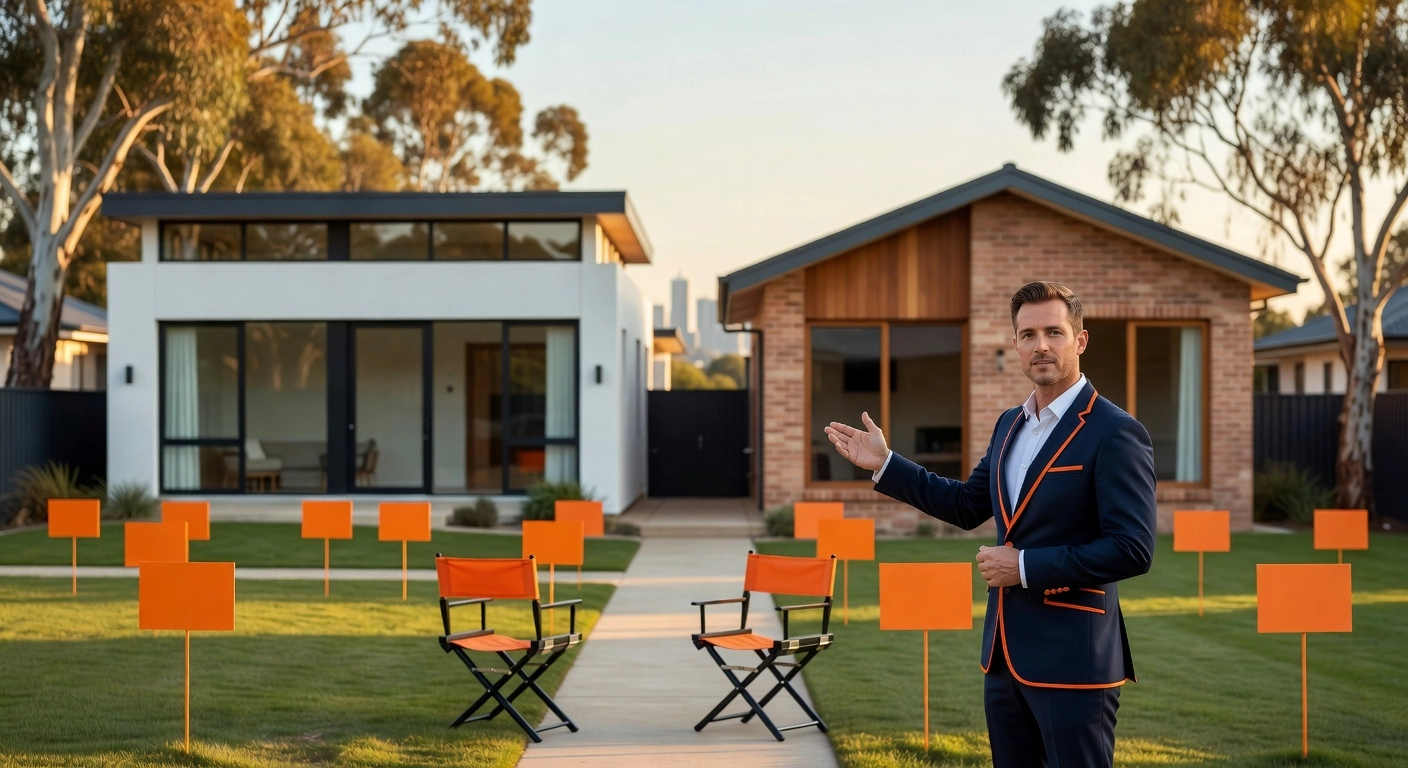
In Melbourne’s competitive property market, savvy investors and homeowners are turning to dual occupancy homes to maximize land use and rental income. These innovative designs allow two dwellings on a single lot, delivering double the revenue potential without doubling the footprint. If you are evaluating options, understanding dual occupancy display homes in Melbourne is essential. These showcase properties from leading builders provide a real-world preview of layouts, finishes, and lifestyles.
This comprehensive comparison cuts through the options to spotlight the best dual occupancy display homes across key suburbs like Casey, Wyndham, and Whittlesea. We examine critical factors such as floor plans, energy efficiency, build quality, and pricing. Discover which models excel in family-friendly features, investor yields, or modern aesthetics. Whether you prioritize affordability, sustainability, or premium specifications, our analysis equips you with expert insights to make informed decisions. By the end, you will know the top performers and why they stand out in Melbourne’s evolving housing landscape. Dive in to find your ideal dual occupancy solution.
Dual Occupancy Display Homes Explained
Dual occupancy means two self-contained dwellings on a single lot in Melbourne, configured as side-by-side (sharing a wall for efficient land use), tandem (front-rear for narrower blocks), or freestanding (detached for maximum privacy). Side-by-side suits corner lots over 15m wide, maximising rental yields from dual tenants; tandem works on deeper 500sqm+ sites but limits rear access; freestanding offers subdivision potential yet demands larger 700sqm+ parcels. Investors chase double income streams at $500-850 weekly rents per unit, while multi-generational families value separate living with shared proximity. For details, see this dual occupancy guide or official definition.
Display homes, whether physical villages or virtual tours, let you walk through these setups: each unit packs 3-4 bedrooms, 1-2 ensuites, open-plan kitchens flowing to living areas, and private entrances with parking. They showcase practical tweaks like home offices or alfresco zones, helping you spot fits for NDIS needs or investor flips.
Amid shortages, they boost supply; Victoria hit 33,314 house approvals in 2025 per ABS, holding steady into 2026 despite multi-unit rises. Yet prevalence stays low at ~0.1% in top suburbs like Hampton East (Microburbs data), signaling untapped opportunity in growth areas. With our Unlimited licence and 10+ years managing Melbourne builds, we deliver these reliably.
Prime Suburbs for Dual Occupancy Displays
Spotlight on Growth Suburbs
Carnegie, Thornbury, and Newport stand out as prime locations for dual occupancy display homes in Melbourne, each offering 15m+ wide blocks that suit side-by-side or tandem designs. Carnegie, 12km south of the CBD, delivers walkable train access at Kooyong station, top schools, and Chadstone’s retail hub, making it ideal for family investors seeking subdivision potential. Thornbury, just 8km north, combines Merri Creek trails, Preston Market vibrancy, and university proximity with narrower yet viable sites that our team navigates effectively. Newport, 10km west, edges ahead with waterfront parks, quick CBD trains, and abundant wide lots near Williamstown amenities. Reservoir complements these as a northern hotspot, 12km out, with gentrifying streets and infrastructure upgrades driving demand. All four provide proximity to Melbourne’s north and inner zones, outperforming outer areas in resale speed and tenant appeal.
Essential Site Requirements
Target lots of 400-500sqm minimum to meet zoning like General Residential Zone standards, ensuring post-build subdivision into two viable titles. Corner positions excel here; they allow dual street access, separate 3m driveways, and optimal setbacks, reducing approval risks. For instance, a 15m x 43m site in Thornbury yields two 3-bed dwellings with ensuites. Avoid heritage overlays. Councils in Darebin, Merri-bek, and Monash fast-track compliant projects via VicSmart, often in 2-6 weeks.
Investment Metrics Comparison
Gross rental yields range 3.8-5.1%, with Reservoir topping at 5.1% and weekly rents $500-850 per dwelling, per Innovista Group data. Dual setups double income streams over singles.
| Suburb | Yield | Rent/Dwelling |
|---|---|---|
| Reservoir | 5.1% | $500-600 |
| Carnegie | 4.2% | $650-750 |
| Thornbury | 4.5% | $600-700 |
| Newport | 4.0% | $550-650 |
Capital growth hits 12.3% annually in these spots, surpassing single dwellings by 20%+, fueled by shortages.
At Builda Group, our Domestic Builder Unlimited licence and 10+ years let us handle these sites across Melbourne and surrounds with director-led transparency. Check your block’s fit today.
Key Criteria to Compare Display Homes
Evaluate Designs
When comparing dual occupancy display homes in Melbourne, start with floorplans sized 17-33sqm per zone, typically featuring 3-4 bedrooms per dwelling. Privacy-focused layouts shine here: separate entrances, ensuites for master and secondary bedrooms, and distinct living zones prevent overlap between units. Side-by-side configurations maximize street appeal on 15m+ wide blocks like those in Thornbury or Carnegie, while tandem setups suit deeper lots with rear access. Look for open-plan kitchens flowing to private alfresco areas; these reduce noise bleed and boost rental demand. At Builda Group, our 10+ years of experience delivering custom new homes ensures these designs fit real family or investor needs, backed by our Domestic Builder Unlimited licence.
Assess Sustainability
All Victorian dual occupancy display homes must hit mandatory 7-star NatHERS ratings since 2024, covering thermal efficiency and whole-home energy scores above 60. Compare solar integration: panels offset bills by $300-$1,000 yearly, often standard in modern displays for quick payback. Multi-generational features like ground-floor bedrooms, ramps, and self-contained utilities make units NDIS-friendly; check for seamless separation yet shared outdoor access. These elements cut long-term costs and appeal to extended families amid Melbourne’s housing crunch. We prioritize this in our builds across Melbourne and surrounds, drawing on director-led commitment for reliable, future-proof results.
Review Investment Metrics
Scrutinize construction costs at $520k-$750k per dwelling, totaling over $1M for a pair, plus $15k-$50k in permits per 2026 estimates. Side-by-side options often land lower due to shared walls, versus premium corner blocks pushing higher. Yields hit 3.8-5.1% gross with $500-$850 weekly rents in growth suburbs. Factor depreciation perks up to $25k yearly. Our track record in unit developments and insurance repairs confirms these metrics hold in practice.
Check Compliance and Feasibility
VC267 and VC288 reforms slash approvals to 2-6 weeks from 28+ via VicSmart for compliant lots over 400-500sqm. Compare display homes meeting Clause 55 setbacks and 20% gardens; no heritage overlays speed things up. Virtual tours reveal flow without site visits, while customization lets you tweak ensuites or solar. Test multi-gen viability remotely. Builda Group’s transparency across renovations and extensions ensures your project navigates this smoothly. Planning Victoria reforms confirm the shift.
Side-by-Side vs Tandem Display Homes Compared
Side-by-Side Dual Occupancy Display Homes
Side-by-side configurations place two equal-sized dwellings next to each other, sharing a wall, with both facing the street. This setup delivers mirrored floorplans, often 3-4 bedrooms each with ensuites and open living zones, making them straightforward for subdivision into separate titles. Dual street frontages mean independent driveways and crossovers, which boost rental appeal through better orientation and visibility; investors see stronger yields, around 4-5% gross in Melbourne’s growth suburbs like Carnegie or Thornbury. These designs require wider lots, at least 15m frontage, ideal for corner blocks in our service areas across Melbourne and surrounds. As holders of a Domestic Builder Unlimited licence with over 10 years’ experience, we’ve managed these on sites from 400sqm up, ensuring balanced luxury that families appreciate for multi-generational living. Displays highlight this symmetry, showcasing how equal sizes maximize land efficiency without compromise.
However, side-by-side options carry higher site costs in premium inner-north and east suburbs, where land premiums squeeze margins unless resale hits $1M per dwelling. Wider footprints also demand more infrastructure, like dual services, which displays make clear through detailed site plans.
Tandem Dual Occupancy Display Homes
Tandem layouts stack dwellings front-to-back on narrower blocks, from 10-12m frontage, using a shared driveway for access. The front unit dominates with larger spaces, say 4 bedrooms, while the rear gains privacy through separation, suiting investors focused on cost savings. This fits deep lots common in Melbourne’s middle-ring areas, reducing crossover expenses and easing council approvals under recent VC reforms that cut permits to 2-6 weeks. Our projects demonstrate how this configuration works for NDIS modifications or investor yields via double income streams.
Drawbacks include a smaller rear dwelling, often limiting rents to $500-650 weekly versus the front’s $700+, impacting overall returns. Displays expose overshadowing risks, with rear units facing reduced light and potential privacy issues from the driveway; fire separation regs add complexity.
In 2026 displays around Bentleigh and Caulfield North, side-by-side excels for investors eyeing subdivision and 12% annual capital growth, while tandem suits families retaining the front home for downsizers. Side-by-side fits equal family needs; tandem prioritizes investor budgets on tight sites. Our director’s hands-on oversight ensures these efficiencies translate reliably to your build.
2026 Trends Shaping Dual Occupancy Displays
Streamlined Approvals Accelerating Builds
Victorian reforms like Amendment VC300 introduce deemed-to-comply standards for dual occupancy on 500-600sqm lots, slashing permit times to 2-6 weeks in compliant cases, as outlined by Realestate.com.au. This shifts focus from subjective council reviews to technical checklists on setbacks, coverage, and overshadowing. For Melbourne builders like us at Builda Group, holding a Domestic Builder Unlimited licence, these changes mean faster project starts across north and inner-ring suburbs. Investors now face fewer delays compared to the old 6-month waits, enabling quicker subdivision and rental income. Our 10+ years managing every stage ensures you navigate these efficiently, from application to handover.
Design Evolutions for Modern Living
Display homes now spotlight 7-star sustainable builds with passive solar, double-glazing, and efficient systems that cut energy costs by 30-50%. Virtual reality tours let you walkthrough customizable multi-gen plans remotely, featuring separate entrances and flexible zones for 3-4 bed dwellings. Amid Melbourne’s +100k annual population growth, these adapt better than rigid traditional designs for extended families or investors. Side-by-side layouts shine here for equal light access, outperforming tandem on corner blocks. We prioritize these in our north Melbourne projects, drawing on director-led commitment for tailored, reliable outcomes.
Investment Momentum Despite Approval Fluctuations
Dual occupancy thrives even with a 7-16% dip in total approvals (HIA Feb 2026), buoyed by 31.4% national rise in multi-unit starts (ABS). Yields hit 3.8-5.1% gross from dual rents of $500-850 weekly, with capital growth at 12.3% p.a. in key areas. This contrasts volatile single-home markets, offering subdivision equity and tax perks. North-focused builders service these for superior ROI.
North and Inner-Ring Hotspots
Thornbury, Carnegie, and Newport lead for 15m+ blocks, delivering faster sales than outer suburbs. Proximity boosts 20-30% margins via strong demand. Our experience positions us to maximize these for your dual occupancy display home vision in Melbourne’s growth core.
Experienced Custom Dual Occupancy Builders
With over 10 years of hands-on experience in north Melbourne dual occupancy builds, including side-by-side configurations and subdivisions, Builda Group operates under our Domestic Builder Unlimited licence from the Victorian Building Authority. This allows us to handle projects of any scale across Melbourne and surrounds, from initial site assessments to final subdivision titles. Our track record includes more than 25 completed dual occupancy homes, each backed by a 10-year structural guarantee for proven reliability.
Custom Site-Specific Builds vs. Generic Display Homes
Custom projects like ours stand out from generic display homes by tailoring every detail to your lot’s dimensions, council overlays, and investment goals, such as achieving 3.8-5.1% gross rental yields in growth areas. Displays often push standardized designs suited to estate lots, limiting flexibility on unique sites; our approach maximizes land use without those constraints. For instance, side-by-side setups on 400-500sqm Thornbury blocks deliver separate titles faster under recent VC300 reforms, cutting approvals to 2-6 weeks.
The director’s personal oversight ensures full transparency from design through handover, with weekly updates and fixed milestones. We specialize in turnkey unit developments that integrate seamlessly with new residential builds, renovations, extensions, NDIS accessibility modifications like ramps and widened doors, and insurance repairs, all without relying on display homes. Investors targeting Thornbury’s high-demand market, with its proximity to trains and parks, benefit from our local execution; check site feasibility via tools like Landchecker for 15m+ frontages.
Takeaways and Next Steps
Key Takeaways
Prioritize Melbourne suburbs like Carnegie, Thornbury, and Newport, where dual occupancy prevalence sits at around 0.1% of housing stock yet gross rental yields hit 3.8-5.1% with weekly rents of $500-850 per dwelling (top suburbs data). These spots maximize ROI through subdivision potential and 12.3% annual capital growth. Side-by-side configurations excel on 15m+ wide lots for equal-sized, street-facing homes with shared walls; tandem setups suit narrower sites by stacking front-rear dwellings, preserving privacy on 500-600sqm blocks. Always verify 7-star energy compliance and leverage VC300 reforms for 2-6 week approvals to align with 2026 timelines amid stable Victoria approvals at 33,314 new houses.
Your Next Steps
Contact licensed builders with proven dual occupancy track records for block-specific feasibility checks, focusing on site requirements like lot width (dual occupancy site guide). Schedule physical site visits or virtual tours of display homes. Then, consult experts like Builda Group in Melbourne’s north; our Domestic Builder Unlimited licence, 10+ years of hands-on builds, and director’s personal oversight ensure transparent plans tailored to new homes, NDIS mods, or investor projects across Melbourne surrounds. Start today for real momentum.
Conclusion
In summary, dual occupancy display homes in Melbourne’s key suburbs like Casey, Wyndham, and Whittlesea stand out for their versatile floor plans, superior energy efficiency, robust build quality, and competitive pricing. Top models from leading builders excel in family-friendly designs, high investor yields, and modern aesthetics, catering to diverse priorities from affordability to sustainability.
This analysis delivers clear, expert insights to cut through the competition and pinpoint the best fit for your goals. Whether you seek rental income streams or multi-generational living, these showcase properties offer a tangible path to maximized returns.
Ready to invest wisely? Schedule a visit to your top-rated display home today. Step confidently into Melbourne’s dual occupancy revolution and secure your slice of property success.