
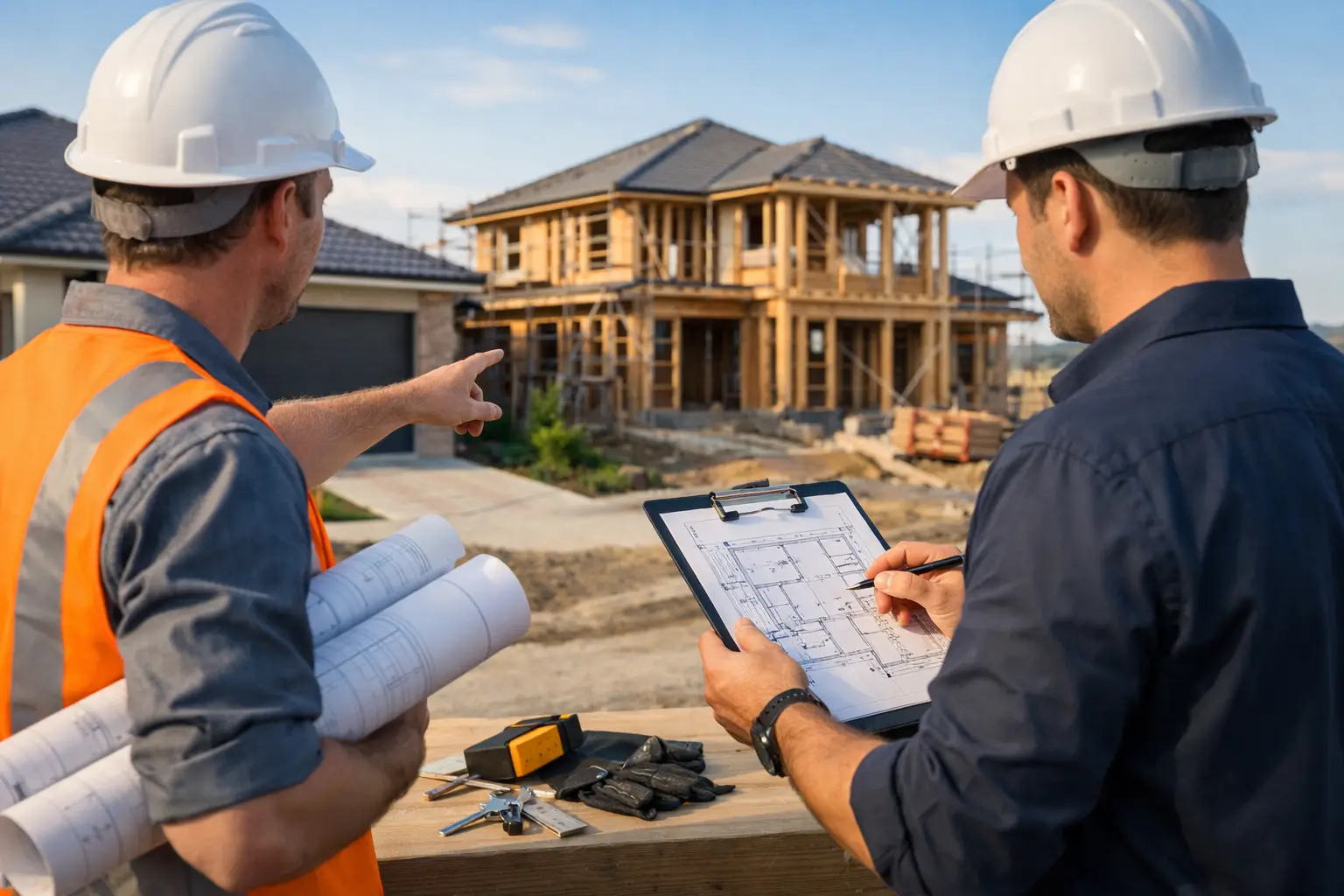
A new home can look impressive at handover and still carry problems behind the plasterboard. That is why choosing Builders in Wollert, Victoria 3750 should come down to more than a façade, a display-home finish or the lowest initial figure. The quality of the waterproofing, structural bracing, flashing, site preparation and project control will matter long after the keys change hands.
Wollert continues to attract families and property owners looking for room to grow, modern amenity and access to Melbourne’s north. It also presents the practical realities of building in a fast-developing area: estate guidelines, permit pathways, varying site conditions and tightly sequenced trades. A capable builder manages these details early, rather than treating them as costly surprises once work has begun.
What a Wollert builder should establish before pricing
A proper proposal starts with a proper understanding of the site and brief. Before anyone can responsibly offer a fixed price, they need clarity around the design, engineering requirements, soil conditions, service connections, planning constraints and the standard of finishes expected.
For a new home, this means reviewing the land and estate requirements alongside the drawings. For a knockdown rebuild, it means allowing for demolition, site access, existing services and any issues that may only become apparent once the old house is removed. For a major renovation, the builder must understand how new work joins the existing structure – particularly roof lines, drainage, floor levels and waterproofed areas.
A price that appears cheaper because these items have been left vague is not necessarily a better price. It may simply move the uncertainty into variations later. Fixed-price contracting is valuable when it is supported by a defined scope, documented inclusions and realistic allowances for the conditions known at the time.
Builders in Wollert, Victoria 3750 need a disciplined process
Residential construction has many moving parts. Design decisions affect permits. Permits affect timing. Engineering affects structural work. Selections affect procurement. When these stages are handled in isolation, delays and cost pressure tend to follow.
Look for a builder that can coordinate the full path from early feasibility through design, approvals, construction and handover. This is especially relevant for dual occupancy projects, where site layout, planning controls, servicing and build sequencing need to work together from the outset.
The process should be visible to you. You should know what has been approved, what is being selected, what is scheduled next and where decisions are required. Clear communication is not an extra service in a premium build. It is how a project stays controlled.
Judge the work that will not appear in photos
Joinery, stone and tapware are easy to compare. They are also only part of the home. The harder questions are usually the more useful ones: How is waterproofing checked before tiles are laid? Who verifies framing, bracing and tie-downs? How are window and roof flashings detailed? What inspection records will be available during the build?
Good builders use licenced, insured and certified trades, but trade credentials alone do not replace supervision. Work needs to be inspected at the right stage, before it is covered. That is where defects are prevented rather than argued about after handover.
Ask how the builder manages quality at key stages, including slab preparation, frame, lock-up, waterproofing and final completion. A documented inspection process gives homeowners a clear standard to hold the project against. It also reflects a builder’s attitude: doing the unseen work properly because it is part of the job, not because someone happens to be watching.
Choose accountability over promises
The right builder will be direct about what is included, what is excluded and what can change. There are legitimate unknowns in construction, particularly on renovation and demolition sites. The point is not to pretend they do not exist. The point is to identify them early, explain the risk plainly and manage any change through a documented process.
Before signing, confirm who will run the project day to day, how often you will receive updates, how variations are approved, and what support is provided after completion. Also check that the builder holds the appropriate registrations and insurance, and understand the structural warranty offered with the work.
Builda Group approaches Wollert projects with that level of discipline: resolving the details before construction, managing trades closely and protecting build quality at every stage. Your home is too significant an investment to be judged by finishes alone. Choose a builder prepared to stand behind the work inside the walls as confidently as the work you can see.