
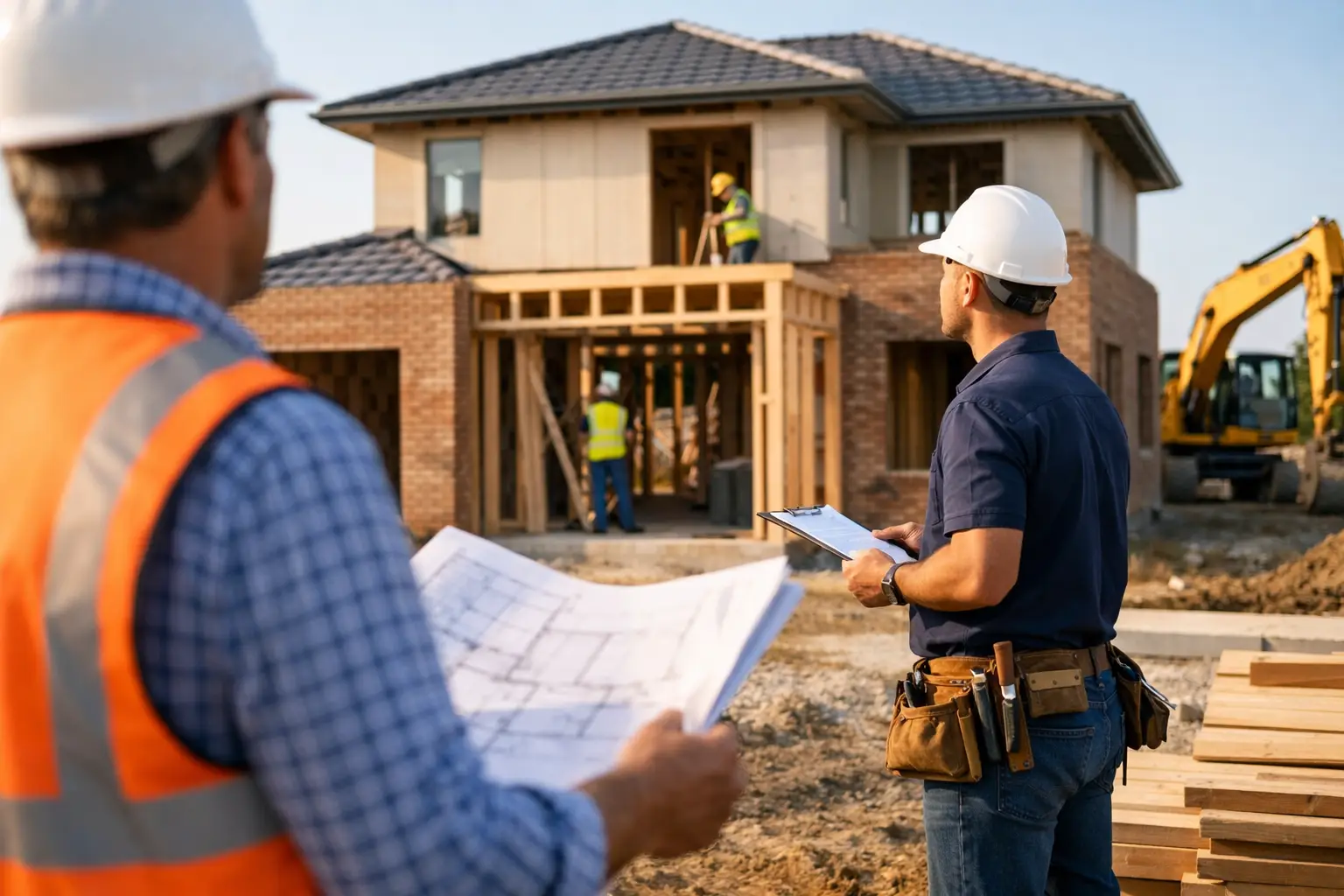
A home can look impressive at handover and still carry expensive problems behind the plaster. Poor waterproofing, inadequate flashing, rushed framing and unclear site supervision do not always show up on inspection day. They show up later. That is why choosing Builders in Tullamarine should come down to more than a display of finishes, a fast quote or a confident sales pitch.
For a custom home, major renovation, knockdown rebuild or dual occupancy project, the builder needs to manage the work that is visible and the work that is not. The right appointment gives you clearer costs, better control over approvals and a home built to perform well long after the keys are handed over.
What a Tullamarine building project needs from the start
Tullamarine has a mix of established homes, redevelopment opportunities and blocks where an older dwelling no longer suits the way a family lives. A knockdown rebuild can make sense when the location works but the existing home does not. For property owners, dual occupancy may also be worth assessing where the block, planning controls and access arrangements support it.
None of these projects should begin with a generic plan and a rough allowance. Site conditions, drainage, existing services, planning requirements, setback rules and the intended level of finish all affect the build. If the project sits near airport-influenced areas, it is also sensible to discuss the practical implications for design, glazing, insulation and acoustic comfort early rather than treating them as late variations.
A capable builder asks detailed questions before pricing. They want to understand the brief, inspect the site, identify approval pathways and establish what is included. This is not unnecessary delay. It is how costly assumptions are removed before a contract is signed.
How to assess builders in Tullamarine
Start by looking past the visual portfolio. Good-looking kitchens and bathrooms matter, but they are only one part of a durable build. Ask how the builder controls structural work, waterproofing, external cladding interfaces, roof flashing and drainage. These details protect the investment when Melbourne weather tests the home year after year.
The contract process deserves the same scrutiny. A fixed-price contract is valuable when it is based on a properly developed scope, documented selections and realistic site information. A low initial figure that relies on broad provisional sums can feel attractive, but it may leave too much room for cost movement once construction starts. There are genuine situations where allowances are necessary, particularly where site conditions cannot be confirmed until demolition or excavation. The key is that they are clearly explained, reasonable and actively managed.
You should also ask who will run the project day to day. A residential build involves many moving parts: trades, suppliers, inspections, building surveyor requirements, engineering details and client decisions. One accountable project manager with a clear programme is far better than chasing different people for an answer when a decision affects time or cost.
The quality checks that protect your home
Quality is not a promise made at the first meeting. It is a system used throughout construction. Before appointing a builder, ask how inspections are documented at key stages and how defects are identified before the next trade covers the work.
A disciplined process should pay close attention to the slab or subfloor, framing, roof structure, external weatherproofing, waterproofing before tiling and final fit-off. Each stage depends on the one before it. There is little value in premium stone, joinery and tapware if moisture is allowed into the structure or if the frame has not been built in line with the approved documentation.
Use of licensed, insured and certified trades is equally important. Residential construction is specialist work. Electrical, plumbing, structural and waterproofing tasks require competent people working to the relevant standards, with clear responsibility for their work. A builder should be comfortable explaining the trade and inspection controls in place, not dismissing these questions as technical details you need not worry about.
Renovation, rebuild or dual occupancy: the process changes
The right delivery path depends on the property and your objective. A substantial renovation can preserve parts of a home that have value while improving layout, light, energy performance and functionality. It can also contain surprises once walls, floors or old services are opened up. Allowing for investigation and contingency is sensible.
A knockdown rebuild provides a cleaner construction pathway in many cases, particularly where the existing structure is compromised or cannot support the required changes. It gives greater freedom to design the home around the block, orientation and family needs, though demolition, service disconnections and permits need to be planned properly.
Dual occupancy projects demand another level of coordination. Design must work commercially and practically, while planning, access, service connections, overlooking, private open space and construction sequencing all need attention. A builder with design-and-construct and project management capability can keep those decisions connected rather than allowing issues to emerge on site.
Build with clarity, not assumptions
The best builder relationship is direct from the outset. You should know what is being built, what the contract includes, what decisions are still required and how changes will be handled. Regular communication matters, but clear documentation matters more. It gives everyone a reliable reference point when questions arise.
Builda Group approaches residential construction as a managed process, backed by stage-by-stage inspections, qualified trades and a 10-year structural guarantee. That level of discipline is especially valuable when you are making a significant decision about your family home or property.
Before you commit, compare builders on the detail behind their proposal: scope, programme, site supervision, trade standards, inspection records and variation process. The builder who takes the time to address these matters before work begins is more likely to protect the quality, budget and long-term performance of the home you are planning.