
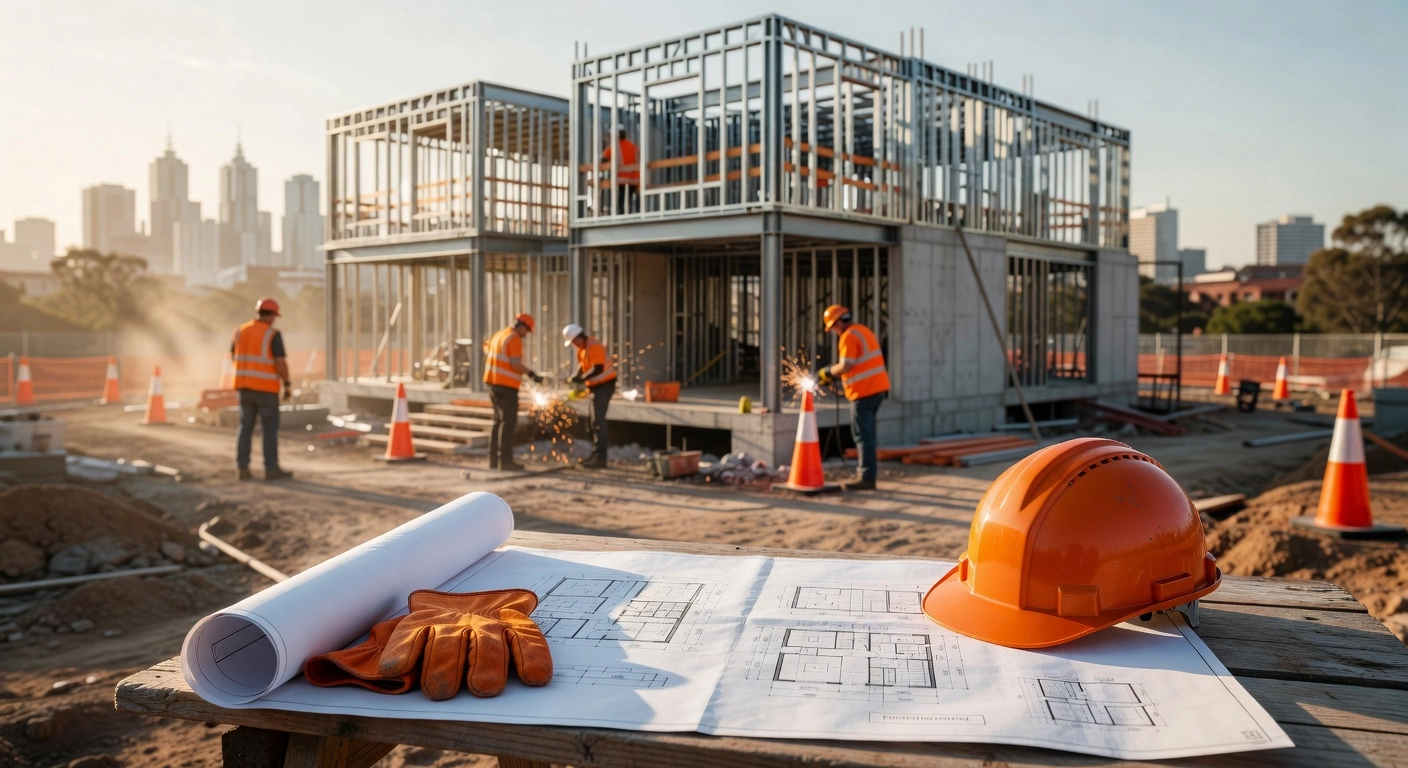
Building your dream home from the ground up stands as one of the most significant investments you will make. In Melbourne, where architectural styles blend heritage charm with modern innovation, embarking on new custom home construction demands careful planning and expert guidance. This process involves far more than selecting a plot and drawing up plans. It requires navigating local regulations, choosing sustainable materials, and coordinating with skilled professionals at every stage.
In this tutorial, you will discover the complete sequence of steps involved in new custom home construction. From initial site assessment and design consultation through to council approvals, construction phases, and final handover, each element plays a crucial role in delivering a home tailored precisely to your needs. You will learn how to avoid common pitfalls that can delay projects or inflate budgets. By the end of this guide, you will possess the knowledge necessary to approach your custom home project with confidence and clarity.
What Defines New Custom Home Construction
New custom home construction creates residences built entirely around a client’s specific lifestyle and site conditions rather than any template or production model. Every decision from initial layout through to final finishes receives direct input to reflect daily routines, family requirements, and long-term goals. This approach avoids the compromises common in standardised plans and instead delivers spaces configured for exact use, such as dedicated wellness rooms, multi-generational zones, or custom storage integrated into the structure itself.
Single or Double Storey Designs with Architect Input
Builders and architects work together to select single or double storey formats based on site limits and desired flow. Styles range from crisp modern lines with clean materials to Hamptons-inspired homes featuring weatherboard cladding, generous glazing, and balanced proportions suited to Australian conditions. The collaboration phase typically spans several weeks of refinement to lock in elevations, material choices, and compliance details while maintaining the client’s vision throughout.
Adapting to Site Conditions
True custom projects address the actual property through careful analysis of slope, soil stability, and local planning overlays. Techniques include stepped foundations on inclines, pier systems for variable ground, or strategic cut-and-fill to preserve views and drainage. Thorough assessment of sun paths, wind exposure, and vegetation prevents later issues and produces homes that sit naturally within their surroundings.
Energy Performance and Smart Features
All new homes in Australia now target a minimum 7-star NatHERS rating under current codes, achieved through optimised insulation, glazing, and orientation that can lower heating and cooling demands noticeably. Custom builds often add superior sealing and renewable elements to exceed this baseline. Smart home systems for lighting, climate, and security integrate from the planning stage, creating efficient, connected spaces that support modern living without excess complexity.
With over a decade of hands-on delivery across Melbourne and surrounds, a licensed Domestic Builder Unlimited holder brings the technical oversight needed to coordinate these elements reliably from start to finish. This sets the stage for exploring the full process of turning such a defined project into reality.
Current Trends in Melbourne Custom Builds
Melbourne homeowners pursuing new custom home construction are shifting toward designs that deliver lasting performance and adaptability. Sustainable high-performance homes lead this movement, incorporating passive solar principles such as optimal northern orientation, thermal mass floors and strategic shading to maintain comfortable indoor temperatures year round. Eco materials like responsibly sourced timber, low silica stone alternatives and advanced insulation now support 7 star energy ratings as standard practice. Biophilic elements including internal courtyards, living walls and expansive glazing further connect residents with nature while improving air quality and wellbeing.
Personalised layouts continue to gain traction as families seek spaces tailored to their routines. These designs prioritise seamless indoor outdoor flow through wide stacker doors that open to covered alfresco zones suitable for Melbourne’s variable weather. Natural light is maximised with clerestory windows and open plans, while dedicated wellness areas such as home gyms or quiet retreats are planned from the outset. Such flexibility allows rooms to evolve with changing needs rather than requiring future structural alterations.
Discreet smart technology integration pairs well with softer architectural details that replace sharp minimalism. Hidden wiring and automated systems for lighting, climate and security are planned early so they remain unobtrusive. Curved walls, arched openings and layered textures create warmer environments that feel inviting and crafted by hand. This approach reflects a broader preference for custom builds over volume homes, offering greater long term flexibility and future proofing amid rising construction costs.
Experienced builders with a Domestic Builder Unlimited licence understand how to weave these elements together on sites across Melbourne and surrounds. Early collaboration ensures the resulting residence performs efficiently and adapts as lifestyles change.
Understanding Costs and Market Context
Understanding current costs helps homeowners approach new custom home construction with realistic expectations. National figures provide a useful benchmark, yet local conditions in Melbourne often tell a more detailed story. Recent data from the Australian Bureau of Statistics places the national average cost to build a house at $443,422. This amount covers the basic structure but excludes land, design fees, site preparation and any client-selected upgrades. Figures vary by dwelling type, with townhouses averaging lower and apartments higher due to shared infrastructure requirements.
Melbourne residential construction costs have climbed sharply since 2020. Material price spikes in timber, steel and concrete, together with ongoing labour shortages, have driven increases between 40 and 50 percent across the region. These shifts reflect broader national trends while also incorporating Victoria-specific factors such as regulatory updates and supply chain adjustments. Builders who maintain strong supplier relationships and detailed scheduling can limit the impact of further movements on individual projects.
Australia’s residential construction sector continues to expand. The market reached a value of AUD 142.34 billion in 2025 and shows steady projected growth through the next decade. Population increases, urban consolidation and demand for energy-efficient homes support this trajectory. For those planning a new custom home, these conditions highlight the value of engaging licensed professionals early to secure stable timelines and specifications.
Fixed-price contracts offer one practical way to manage cost variables. By locking in a defined scope and price, they reduce exposure to material and labour fluctuations while still requiring full compliance with the National Construction Code and relevant Australian standards. As the holder of a Domestic Builder Unlimited licence, we prepare these contracts with clear inclusions and site allowances that reflect Melbourne conditions. This approach gives clients greater certainty across projects in Melbourne and surrounds, whether the work involves a single residence or a small multi-dwelling development.
Step-by-Step Construction Process
Building a new custom home in Melbourne follows a structured sequence that draws on years of direct site experience to manage every stage with precision. At Builda Group, our Domestic Builder Unlimited licence underpins the ability to handle complex projects from start to finish, whether the work involves a single residence or multi-dwelling development across the northern suburbs and surrounds. The process begins with an initial consultation where the builder meets the client on site to map out lifestyle priorities such as home offices, accessible living zones or seamless indoor-outdoor flow. Site constraints including soil type, drainage, orientation for natural light and local planning overlays are assessed early so that expectations stay aligned and later changes stay minimal.
Once the brief is locked in, the design and planning phase moves forward with architect collaboration to produce detailed drawings, elevations and specifications. Engineering reviews follow to confirm structural integrity, after which plans are submitted for council approvals. This stage typically takes several months and benefits from early coordination with authorities to avoid delays. Thorough preparation here sets accurate budgets and schedules, preventing expensive adjustments once work begins on site.
Physical construction starts with site preparation that clears the block, establishes proper drainage and installs temporary services. Foundation work then proceeds with footings and slabs poured according to geotechnical reports. Waterproofing membranes are applied to all below-ground surfaces, a step that protects long-term performance even though it remains hidden once the home is complete. Structural framing follows, incorporating engineered bracing systems that resist wind loads common in Victoria and meet Australian standards. Multiple inspections occur at each point to confirm compliance before the next trade arrives.
Interior fit-out brings together mechanical rough-ins, insulation, drywall and the full range of finishes. Final inspections verify every system, including energy efficiency measures that support the 7-star ratings now standard in Melbourne builds. Energy rating certification is completed and documentation is handed over along with operating instructions for all installed systems. Throughout, the director maintains direct oversight, drawing on more than a decade of hands-on work to keep communication clear and decisions timely.
Licensing, Compliance and Builder Selection
A Domestic Builder Unlimited licence gives a registered builder complete authority to carry out, manage or arrange every aspect of residential work without limits on scale or value. Issued by the Victorian Building Authority, this registration covers Class 1 houses, certain Class 2 and 4 buildings up to three storeys, and Class 10 structures such as garages or sheds. It applies to projects above $10,000 and removes the need for scope restrictions that appear with lower licence categories. Builda Group holds this licence, which directly supports our work on custom new home construction, unit developments and renovations across Melbourne and surrounds.
Builders who enter the industry through a trade pathway bring detailed knowledge of structural systems, sequencing and material performance. This background shows in attention to bracing, waterproofing and load paths that affect how a home ages. The result is fewer defects over decades and better resistance to Melbourne’s temperature swings and wind loads. Clients gain homes that maintain performance without repeated repairs because the underlying construction follows proven methods rather than assumptions.
Full project management covers design coordination, site investigations, approvals, subcontractor oversight, quality checks and defects rectification at handover. Transparent reporting through scheduled site meetings and progress updates keeps every party aligned on timelines and decisions. This structure operates across Melbourne’s northern suburbs and surrounding areas, adapting to local council requirements while maintaining consistent standards on every site.
Compliance with the National Construction Code and the 7-star NatHERS energy rating now required in Victoria protects against future rule changes. Enhanced insulation, high-performance glazing and efficient services reduce ongoing energy demand and provide regulatory certainty through at least mid-2029. Choosing a builder already operating to these standards avoids later upgrades and supports long-term running cost control.
Next Steps for Your Build
When preparing for new custom home construction, review your site details and lifestyle priorities before engaging design professionals. Assess topography, soil conditions, solar orientation, zoning setbacks and utility access alongside household needs such as flexible workspaces or future adaptability. This upfront work prevents redesign costs and produces layouts that suit daily living in Melbourne conditions.
Request fixed-price proposals that clearly outline inclusions, timelines and compliance steps. These documents should itemise allowances, milestone payments and responsibilities for permits and inspections, giving you certainty amid current material cost pressures.
Verify builder licensing status and request examples of similar custom projects completed locally. Builda Group’s Domestic Builder Unlimited licence confirms full authority to manage residential work of any scale, while recent Melbourne references demonstrate proven processes in the same regulatory environment.
Schedule an initial discussion to map out realistic timeframes and budget parameters for 2026. Experienced teams can outline typical 9 to 18 month paths from consultation to completion while aligning expectations on contingencies and decision points.
Conclusion
Building a custom home in Melbourne requires careful attention to site assessment, design consultation, and council approvals. Key takeaways include navigating local regulations with precision, selecting sustainable materials that suit the climate, coordinating closely with skilled professionals throughout construction, and steering clear of common pitfalls that inflate costs or cause delays. This guide has delivered practical insights to help you manage every stage effectively. Now take action by consulting a qualified builder who understands Melbourne’s unique requirements. With informed decisions and expert support, you can create a home that perfectly matches your lifestyle and stands the test of time. Start planning today and turn your vision into reality.