
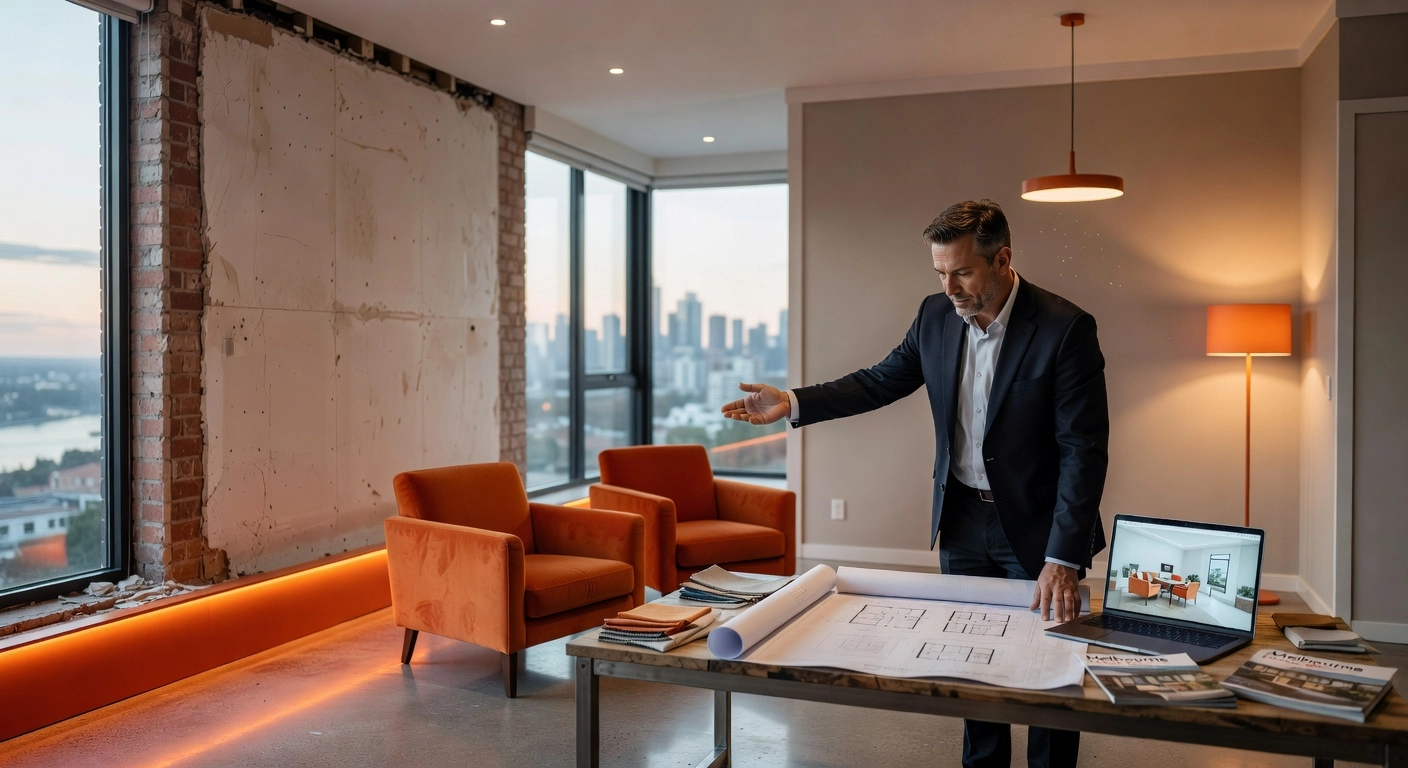
Melbourne’s housing market is undergoing rapid transformation, with property owners facing mounting pressure to adapt their homes to changing lifestyles and family requirements. Rising property values combined with limited availability of suitable land have made thoughtful upgrades a practical necessity rather than a luxury. For those considering a home renovation and extension melbourne project, understanding the financial and design landscape has never been more important.
This analysis examines current cost structures, regional price variations, and emerging trends that are reshaping how Melbourne homeowners approach these improvements. Readers will learn which elements most significantly affect budgets, how material and labor costs have shifted in recent years, and which design directions deliver both functionality and long-term value. The discussion also highlights key considerations for planning and sequencing work to control expenses while achieving desired outcomes.
Current State of Melbourne Renovation Activity
Australia wide renovation spending passed 48 billion dollars in 2025, with Victoria ranking among the top states for activity. Recent industry figures place average project costs near 74800 dollars, reflecting homeowners investing in upgrades that match rising property values and limited supply of established housing stock. This growth stems from sustained demand for practical improvements that enhance daily living rather than full replacements. National renovation data shows the trend holding steady across multiple states, driven by families who prefer to adapt what they already own.
Alterations and additions to existing homes reached 3.7 billion dollars nationally in late 2025. These figures highlight consistent interest in work that boosts liveability, functionality and energy performance without the upheaval of starting over. The sector continues to represent a substantial share of residential construction activity, with projects often focused on better use of space and improved thermal comfort. Homeowners increasingly view such modifications as long-term investments that align with changing household needs.
Northern Melbourne suburbs maintain strong activity as families seek additional space while remaining close to established schools and transport links. Areas around Northcote, Coburg and nearby locations see regular demand for extensions that accommodate growing households or multi-generational arrangements. This pattern reflects a broader preference for staying within familiar communities rather than relocating. Local builders with deep knowledge of these suburbs understand the planning overlays and site constraints that commonly arise.
Projects range from single room updates to full home reconfigurations. Many owners now combine renovation and extension work in a single coordinated effort to avoid the costs and disruption of moving house. With over ten years of hands-on experience, the director of Builda Group applies personal oversight to each stage, backed by the Domestic Builder Unlimited licence that authorises the full scope of residential work across Melbourne and surrounds. This approach supports transparent management from initial assessment through to completion, whether the scope covers a modest addition or a more extensive reconfiguration.
Realistic Cost Ranges for Extensions and Renovations
Melbourne homeowners planning extensions or renovations face a range of cost variables shaped by site conditions, design complexity and current material trends. Ground floor additions typically fall between 2800 and 3500 dollars per square metre, while double storey work ranges from 4000 to 5500 dollars per square metre. These figures reflect structural requirements, engineering input and basic finishes common across Melbourne suburbs, where reactive soils and drainage demands often influence the final outlay. Experienced builders account for these factors early, helping clients avoid unexpected adjustments during construction.
A straightforward 40 square metre ground floor addition often lands between 112000 and 140000 dollars once permits, engineering and finishes are included. This scale suits many family homes seeking extra living space without major disruption to existing structures. Double storey extensions of 60 square metres commonly reach 240000 to 330000 dollars, with heritage overlays or difficult access adding 15 to 35 percent to the total. Narrow inner city blocks or properties under planning controls require extra design time and compliance steps that push budgets higher.
Kitchen and bathroom upgrades remain strong performers, recovering 85 to 90 percent of costs when the design suits the rest of the home and local buyer expectations. These projects deliver immediate functional gains alongside resale appeal in Melbourne’s competitive market. Energy efficiency packages costing 8000 to 15000 dollars can cut heating bills by up to 40 percent, an increasingly common addition on renovation projects. Insulation upgrades, efficient glazing and modern heating systems align with rising interest in lower running costs and better comfort year round.
Selecting a builder with a Domestic Builder Unlimited licence provides reassurance that the project can proceed without scope limitations, regardless of size or technical demands. Over ten years of direct involvement in Melbourne builds equips our director to anticipate site specific challenges and maintain clear communication throughout. This hands on approach supports accurate budgeting and steady progress from initial assessment to completion. Clients benefit from transparent management that prioritises practical outcomes over generic promises.
Trends Influencing Melbourne Projects in 2026
Melbourne renovation and extension projects continue to evolve under regulatory shifts and changing household needs. Sustainability features such as high-performance insulation, double glazing and 7-star energy ratings now appear in most inner northern suburb plans. This movement is driven by 78 percent of homeowners who place comfort and future resale value at the top of their priorities. The National Construction Code raised minimum NatHERS ratings to seven stars for new builds and major alterations from 2024, pushing builders and designers to integrate thermal performance from the outset. Packages that combine insulation and double-glazed windows typically cost between eight and fifteen thousand dollars yet can cut heating expenses by up to forty percent. These upgrades also align with Victorian rebate programs that help offset initial outlays while meeting council expectations in suburbs such as Brunswick and Northcote.
Flexible multi-generational spaces are gaining traction because households seek layouts that adapt without major structural work. Separate power and data points allow a single room to function as a home office, guest accommodation or family living area as circumstances change. Recent figures indicate these adaptable designs feature in around sixty-five percent of Melbourne renovations. Secondary dwellings or reconfigured wings with independent entries and bathrooms provide privacy while sharing core services, a practical response to rising aged-care costs and ongoing remote-work patterns.
Heritage-sensitive additions remain popular in established streets where Victorian, Edwardian and Federation homes predominate. Owners seek extensions that preserve original rooflines and window proportions while introducing contemporary light and flow. Planning permits for visible changes often require detailed documentation of existing fabric, extending timelines by four to six weeks. Properties updated under heritage overlays still attract ten to fifteen percent price premiums when the new work remains subservient to the original character.
Natural materials paired with warm neutral palettes deliver results that retain appeal over decades. Locally sourced timber and stone develop a desirable patina in Melbourne’s climate and reduce the need for frequent refreshes. These selections also support council approvals in heritage areas because they align with traditional construction methods.
NDIS accessibility modifications and insurance repair work form growing niches as more households require improved access or post-damage reinstatement. Licensed builders with a Domestic Builder Unlimited licence handle the compliance documentation and specialist detailing these projects demand. Early engagement with a registered surveyor helps identify hidden issues such as damp or asbestos, keeping contingencies realistic and avoiding on-site changes that can reach fifteen percent of the budget.
What to Look for When Selecting a Builder
Selecting the right builder for a home renovation or extension in Melbourne requires attention to credentials that directly affect project outcomes. A Domestic Builder Unlimited licence stands out as the key qualification because it authorises the holder to manage residential work of any scale without limits on size or structural complexity. This registration covers everything from straightforward single-room alterations to multi-level additions and new dwellings, removing the constraints that limited licences impose on certain building classes or storey heights. Homeowners benefit when the builder holds this full scope because it supports seamless coordination of structural, services and finishing trades under one contract. Verification through the Victorian Building Authority confirms the registration and provides reassurance on compliance standards.
Local knowledge accumulated over ten or more years proves equally valuable in Melbourne’s northern suburbs and surrounding areas. Builders with this depth of experience recognise the behaviour of reactive clay soils that cause foundation movement, understand the specific planning overlays common to established neighbourhoods, and factor in seasonal weather patterns that frequently affect construction schedules. Such foresight allows them to prepare accurate timelines and specify appropriate engineering solutions from the outset, reducing the likelihood of unexpected site variations.
Transparent processes for permits, heritage consultations and council approvals further minimise disruption once work begins. Melbourne contains numerous heritage overlays that demand careful documentation and specialist input before any demolition or addition proceeds. A builder who outlines required drawings, heritage advisor involvement and approval pathways upfront helps avoid redesigns or stop-work orders that inflate both time and cost.
Versatility across project types also signals operational strength. Experience with new residential builds, unit developments, NDIS accessibility modifications and insurance repair work shows a builder can integrate varied requirements within a single site when needed. This breadth supports efficient management of mixed-scope jobs without reliance on additional contractors.
Finally, a director-led model delivers consistent accountability. Direct personal oversight on every job maintains clear communication channels, ensures variations receive prompt attention and keeps quality standards visible throughout construction. Clients gain a single point of contact who understands the full brief and remains responsible for delivery from initial site assessment to final handover.
Next Steps for Your Renovation or Extension
With market conditions shifting rapidly, reviewing current per square metre costs helps set a realistic budget before speaking with designers or builders. Ground floor additions in Melbourne typically range from 2800 to 3500 dollars per square metre, while double storey work reaches 4000 to 5500 dollars, according to recent local project data. Adding a 10 to 15 percent contingency covers site complexities, council requirements and potential heritage overlays common across inner suburbs.
Aligning your plans with 2026 priorities such as energy efficiency or adaptable rooms clarifies which upgrades deliver lasting value. Noting any heritage constraints early avoids later redesigns, particularly in areas like Boroondara or Stonnington where period character must be preserved.
Before engaging further, confirm the builder holds a Domestic Builder Unlimited licence and can show documented experience with projects matching your suburb and scope. At Builda Group, the director personally oversees every stage with more than ten years of hands on involvement across Melbourne and surrounds.
Requesting a site visit allows direct discussion of timelines, access limits and practical ways to keep your household running during construction. Documenting your priorities around sustainability, accessibility and future flexibility upfront guides decisions that protect long term returns.
Conclusion
Melbourne homeowners face shifting cost structures, regional price variations, and rising material and labor expenses that shape every renovation decision. Design trends now prioritize both daily functionality and lasting property value, while careful planning and sequencing help keep projects on budget. These insights reveal which upgrades deliver the strongest returns amid limited land and growing family needs.
This analysis gives you practical knowledge to approach renovations with clarity and confidence. Consult local specialists to evaluate your site and create a phased plan that matches your goals. With informed choices, your upgraded home can better support modern living and build equity for the future.