
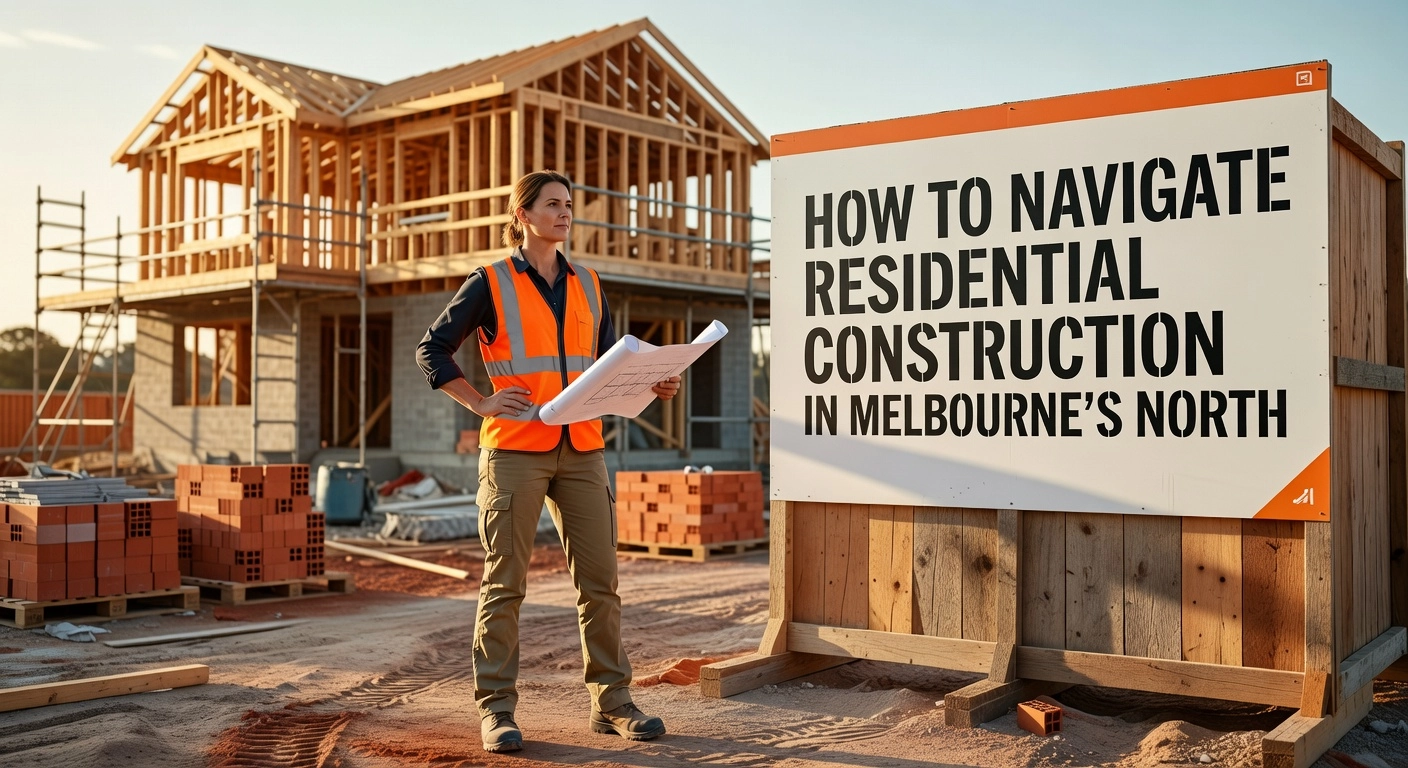
Melbourne’s northern suburbs continue to attract homeowners seeking modern family homes amid rapid urban expansion. Yet the path to completing a successful build often involves complex approvals, variable soil conditions and shifting material costs that can derail even experienced projects. Navigating north residential construction demands more than basic knowledge; it requires a clear understanding of local planning overlays, builder selection criteria and risk mitigation strategies tailored to the region’s unique landscape.
In this tutorial you will learn how to assess site feasibility, coordinate with council authorities and establish realistic timelines that protect your investment. You will also gain insight into contract negotiation techniques and quality control checkpoints that keep contractors accountable throughout each construction phase. By the end of this guide you will possess the authoritative framework needed to move forward with confidence, avoid common setbacks and deliver a residence that meets both regulatory standards and your long term lifestyle goals.
Current Market Conditions for Residential Construction in Northern Melbourne
Step-by-Step Process for NDIS Accessibility Modifications
NDIS accessibility modifications follow a structured sequence that ensures safety, compliance, and practical outcomes for participants across Melbourne’s northern suburbs. The process starts with an occupational therapist assessment to document required changes such as ramps, grab rails and structural adjustments that meet SDA standards. An OT visits the home, measures door widths, evaluates bathroom layouts, and records daily mobility challenges through photos and detailed notes. This report links every recommendation directly to the participant’s goals, such as reducing fall risks or enabling independent transfers in older weatherboard properties common in areas like Reservoir or Epping.
With the assessment in hand, the next stage involves submitting plans to the NDIS for funding approval while confirming the builder holds a Domestic Builder Unlimited licence to handle compliant works. Documentation includes the OT report, homeowner consent, and itemised quotes that reference specific support codes. Builders with this licence can manage structural alterations, coordinate trades, and secure necessary permits under Victorian regulations. NDIS reviews focus on whether changes qualify as reasonable and necessary, with approvals often allocated in stages for complex projects.
Site inspections and material selections follow funding confirmation to integrate modifications with existing homes in northern suburbs without disrupting daily routines. Teams assess sloping blocks or tight access points typical of local housing stock, then choose non-slip flooring, matching timber finishes for ramps, and discreet handrails that preserve the home’s appearance. Phased scheduling, dust barriers, and temporary pathways keep kitchens, bathrooms, and entries usable during construction. Coordination with the OT ensures adjustments align with the original recommendations while addressing any unforeseen site conditions.
Final certification and handover complete the sequence with documentation that satisfies both NDIS and local council requirements. Builders arrange inspections, issue completion certificates, and provide maintenance guides plus warranty details. Participants receive records confirming all work meets Australian Standards and approved scope, supporting future claims or insurance needs. This end-to-end approach delivers lasting independence for Victorian SDA participants while fitting seamlessly into ongoing residential projects.
Handling Insurance Repair Works After Damage Events
After a damage event such as a storm, hail or flood, methodical steps protect both your property and the outcome of any insurance claim. Thorough documentation forms the foundation. Capture high-resolution photos and videos of every affected area from multiple angles, including roofs, interiors, structural elements and any debris, complete with timestamps and a written inventory. Safety comes first, so check for hazards like fallen power lines before proceeding and contact emergency services if needed. Retain material samples and back up all records digitally. Over 50 percent of recent claim rejections trace back to inadequate evidence, so independent inspection reports from qualified assessors add valuable weight when lodging with your insurer.
Engaging a licensed builder early strengthens the process by delivering a clear scope of works and itemised cost estimates that align with policy coverage. In Victoria, domestic building work over $16,000 requires a licensed builder and domestic building insurance, now transitioning to the new Home Warranty scheme from July 2026. Builders holding the Domestic Builder Unlimited licence, such as those at Builda Group with more than 10 years of hands-on experience, can separate storm-related repairs from any mandatory code upgrades and provide reports that support fair settlements. Multiple quotes from experienced local professionals help reduce disputes during high-volume claim periods driven by recent insured losses exceeding $3.5 billion nationally.
Scheduling must respect the practical needs of occupants across Melbourne’s northern suburbs while meeting all regulatory requirements. Phased works minimise disruption during school hours or for vulnerable residents, and temporary accommodation allowances can be claimed where properties become uninhabitable. In areas with heritage overlays, such as parts of Brunswick or Coburg, external repairs require council approval to preserve original materials and character. Licensed builders coordinate permits, ensure compliance with the National Construction Code and factor in noise and dust controls throughout the project.
Finalising the repairs closes the claim properly and restores full functionality. Obtain the builder’s warranty documentation along with any Home Warranty certificate, secure council sign-off where structural permits were issued, and submit final invoices and compliance reports to the insurer. A joint walkthrough confirms every item on the agreed scope has been completed. Retaining these records supports ongoing maintenance and any future claims. Builda Group manages each stage with transparency, drawing on directorial commitment and local knowledge to deliver reliable outcomes for homeowners and insurers alike.
Planning Renovations Extensions and Unit Developments
In northern Melbourne’s growth corridors, successful renovations, extensions and unit developments depend on early and accurate assessment of site constraints under the Victorian Planning Provisions. Local councils such as Hume, Whittlesea and Mitchell apply the Urban Growth Zone and Precinct Structure Plans that address biodiversity, drainage, bushfire risk and infrastructure contributions. Checking overlays and lot size rules before locking in designs prevents costly redesigns later. The Small Lot Housing Code now permits dwellings on lots under 300 square metres without a planning permit when standards are met, which directly benefits many northern greenfield estates. North Growth Corridor Plan outlines these long-term requirements, while the updated code details the new Type C standards for even smaller blocks. Owners and investors who engage a licensed builder early gain clear advice on whether a VicSmart pathway or full permit process applies.
Sequencing Approvals, Engineering and Construction
Effective sequencing keeps projects moving through the 2026 recovery period when approvals have shown mixed results across Victoria. Begin with site analysis, title searches and preliminary advice from council or the Victorian Planning Authority, then move to planning or code assessment before obtaining building permits and engineering certifications. Parallel work on detailed drawings and energy modelling reduces idle time between stages. Recent changes to builder financial requirements from mid-2026 mean projects must align with a builder’s net tangible assets, so clear scheduling protects delivery timelines. A Domestic Builder Unlimited licence holder can manage every stage under one contract, avoiding the hand-offs that often create delays on multi-dwelling sites.
Energy Efficiency and Victorian Incentives
Energy efficiency measures should be integrated from the design stage to meet both regulatory standards and long-term value goals. The Victorian Energy Upgrades program offers certificates that reduce costs for heat pump hot water systems, reverse-cycle air conditioning and ceiling insulation in renovations and new builds alike. These incentives stack with Solar Victoria rebates and federal certificates, delivering lower running costs and stronger resale appeal for owners and investors. Aligning with the National Construction Code 2025 performance requirements also future-proofs projects against tightening standards. Builders experienced in northern growth areas know which measures qualify and how to document them for incentive claims without disrupting construction flow.
Coordinating Multi-Trade Delivery
Coordinating multiple trades across renovations, extensions and unit developments requires one accountable point of contact throughout the project. A licensed builder with more than ten years of hands-on experience can schedule architects, engineers, plumbers, electricians and carpenters so that work proceeds without clashes or gaps. Centralised documentation and early trade involvement during design minimise variations once construction starts. This single-point model proves especially useful on sites with multiple dwellings or staged alterations, where timing and compliance must stay consistent. Clients in Melbourne’s north benefit from this integrated approach because it maintains transparency from initial approvals through final handover.
Next Steps for Projects in Melbourne’s Northern Suburbs
Before engaging a builder for your project in Melbourne’s northern suburbs, assemble all relevant materials to enable accurate scoping. This includes detailed site photographs capturing every angle and access point, copies of existing plans like surveys and soil reports, and clear information on funding arrangements such as loan pre-approvals or NDIS allocations.
A local builder with more than ten years of experience in northern Melbourne will appreciate this preparation, as it allows them to assess your needs against local regulations and site conditions efficiently. Verify their licence status through the Victorian Building Authority to confirm a Domestic Builder Unlimited registration, along with their capacity to handle new homes, renovations, NDIS modifications, and insurance repairs.
Once credentials check out, schedule an on-site discussion. This meeting provides the chance to review timelines, compliance steps, and expected outcomes in light of current market trends, such as those outlined in recent housing updates. Such steps help align your project with realistic pathways forward.
Conclusion
Navigating residential construction in Melbourne’s north requires careful planning and expert guidance. The main takeaways are assessing site feasibility to handle soil and environmental factors, coordinating closely with council authorities to secure approvals, setting realistic timelines that account for material cost changes, and using strong contract negotiation paired with regular quality checks. This guide has given you a practical framework to reduce risks and keep your project on track. Apply these steps now by consulting local specialists who understand the northern suburbs. With clear preparation and the right team, you can build a modern family home that meets your goals and stands the test of time.