
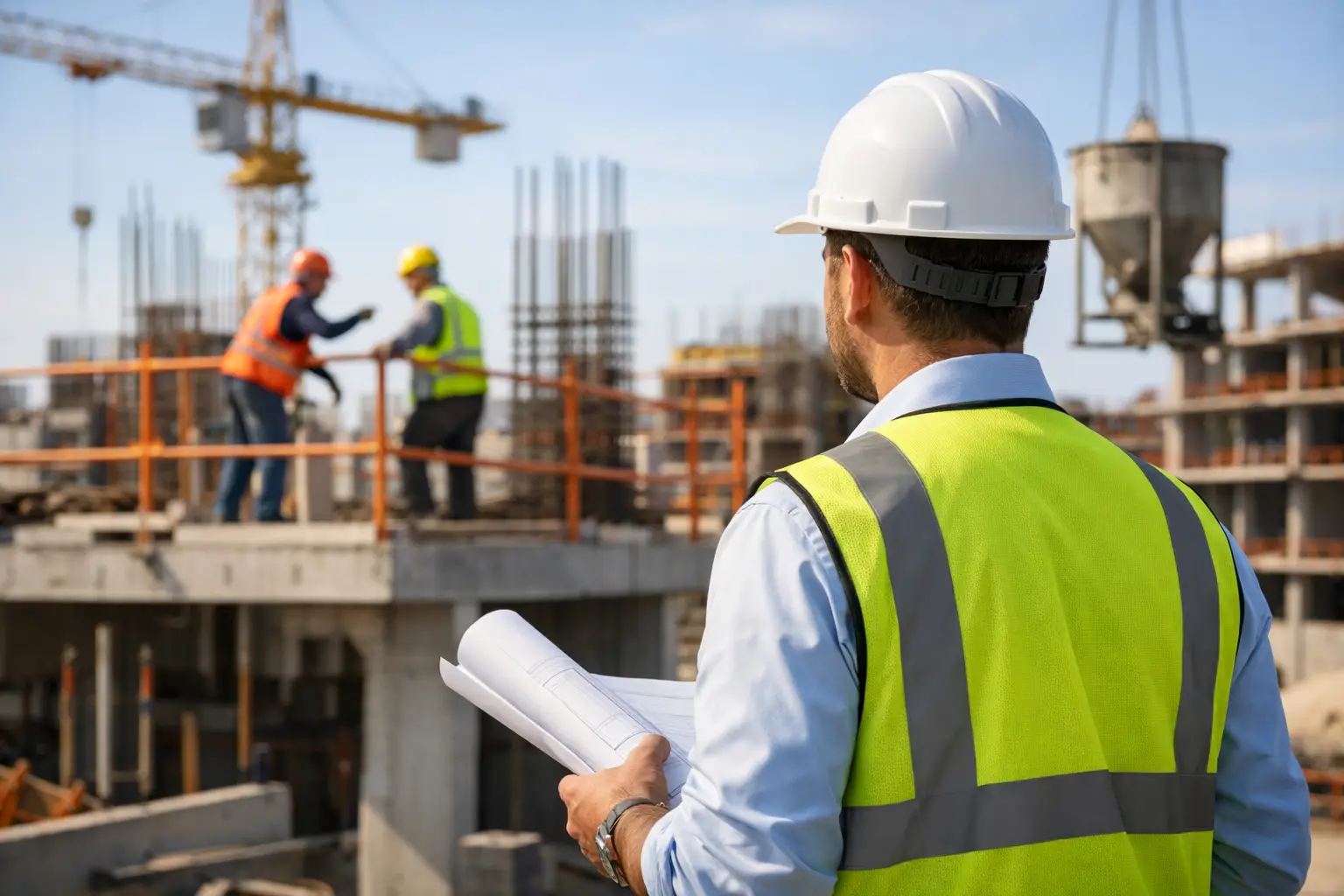
A residential build can look busy and still be poorly controlled. Frames go up, materials arrive and trades move through the site, but the details behind linings, cladding and tiles are where costly mistakes are either prevented or buried. Site supervision during construction is the discipline that keeps those details visible, checked and accountable before the next stage makes them harder to access.
For a custom home, major renovation or dual occupancy project, supervision is not simply a person opening the gate each morning. It is active coordination of trades, materials, sequencing, safety, workmanship and compliance. Done properly, it protects the investment you are making in the home long after handover.
What site supervision during construction involves
A site supervisor is the builder’s eyes, judgement and authority on the ground. They work from the approved plans, engineering, specifications and construction programme, then make sure the work completed on site matches what has been agreed.
That starts before a trade arrives. The supervisor confirms that the site is ready for the next activity, the right materials are available and preceding work will not compromise what follows. A waterproofing contractor, for example, cannot do their job properly if the substrate, falls, penetrations or wall junctions have not been prepared correctly. A quality finish depends on quality preparation.
During the work, supervision means checking critical junctions and details rather than relying on assumptions. It means questioning a discrepancy on a plan, following up a delivery issue before it delays a trade, and stopping work where necessary to correct an error. After the work, it means recording progress, identifying defects early and confirming that the project can move to the next stage.
The best supervision is rarely dramatic. It is consistent, methodical and present at the moments that matter.
The details that cannot be inspected later
Homeowners naturally focus on visible selections: the kitchen layout, stone, flooring, joinery and façade. Those choices matter, but many of the highest-value checks occur before the finishes go on.
Structural work and framing
Excavation, footing preparation, reinforcement and slab work need to align with the engineering documentation before concrete is poured. Once the slab is down, changing something is disruptive and expensive.
The same applies to framing. A supervisor checks dimensions, load-bearing elements, tie-downs, bracing, openings and the way the frame interfaces with the roof and external walls. This is particularly important on architect-led homes and renovations, where non-standard details, large openings and altered rooflines require closer coordination.
Weatherproofing and water management
Water is unforgiving. Flashings, roof penetrations, window installation, external cladding interfaces, balcony drainage and waterproofing membranes must work together as a system. A home can have premium finishes and still develop serious issues if water is allowed behind those finishes.
Good supervision verifies the less visible elements: membrane coverage and junctions, correct falls to drainage points, flashing installation, weep paths and sealing around penetrations. These are not cosmetic checks. They are durability checks.
Services before walls are closed
Electrical, plumbing, heating and cooling services need to be coordinated before plasterboard and linings conceal them. A supervisor checks that services are placed where the plans require, do not conflict with structure or joinery, and have been installed by appropriately licensed trades.
This is also the stage to resolve practical matters that are easy to overlook on drawings, such as access to valves, service clearances, exhaust routes and locations for future maintenance. Fixing an inaccessible service after handover is far more difficult than addressing it during rough-in.
Supervision keeps the programme honest
Construction programmes are built on sequence. If one trade finishes late or leaves defective work behind, the impact can spread quickly: plasterers cannot start, flooring is held up, cabinetry installation moves, and practical completion slips.
A site supervisor manages this chain of dependencies. They communicate expected dates, confirm readiness, inspect completed work and organise corrective action quickly. That does not mean every project runs without changes. Weather, supply shortages, latent site conditions and client variations can all affect timing. Professional supervision makes those impacts visible early and manages them with a clear plan, rather than allowing them to become unexplained delays.
For homeowners, this creates a more reliable construction experience. You should know what stage the build is at, what is happening next and where decisions are required from you. A well-run site does not promise the impossible. It provides clear information when circumstances change.
Quality control is more than a final defects list
Waiting until the final walkthrough to inspect quality is too late. By then, a defect may sit behind tiles, cladding, joinery or paint. Final inspections remain essential, but they are only one part of a quality-control process.
Effective builders inspect at defined stages, including key structural, weatherproofing, services and finishing milestones. Stage-by-stage checks create opportunities to correct issues while access is straightforward and responsibility is clear. They also create a record of how the home was built, not just how it looked on completion.
There is a distinction worth making here. Mandatory inspections by a building surveyor are an important part of the regulatory process, but they are not a replacement for the builder’s own supervision. A building surveyor assesses prescribed stages for compliance purposes. The builder remains responsible for managing workmanship, coordination, trade quality and the full delivery of the contracted home.
The trade-off between speed and control
Residential construction always involves pressure to move forward. No owner wants an idle site, and no builder should accept unnecessary delays. But speed without checks is not efficiency.
Pouring a slab before resolving an issue, closing walls before services are confirmed, or installing finishes over imperfect preparation can save a day now and cost weeks later. The right approach is not to inspect every minor item endlessly. It is to apply experienced judgement to critical work, maintain momentum where the risk is low, and hold the line where quality or compliance is at stake.
This is why trade selection matters as much as site management. Licensed, insured and certified trades who understand the standard expected are easier to coordinate and more likely to take ownership of their work. Strong supervision supports good trades and identifies problems when they arise. It cannot turn poor planning or unsuitable subcontractors into a quality build.
What homeowners should expect from their builder
You do not need to manage your own building site, but you should expect a builder who can explain how the project will be supervised. Ask who will oversee the work day to day, how often they will be on site, how inspections are documented and how defects or variations are handled.
Also ask how communication works. Major decisions should be properly explained, costed and approved before work proceeds where the contract requires it. Verbal promises made in a hurry on site are not a sound project-management system.
At Builda Group, site management is treated as part of the workmanship, not an administrative extra. The objective is simple: every stage should be ready before the next begins, and the critical details should be checked before they disappear behind the finished home.
A well-supervised site gives you something more valuable than a polished handover day. It gives you confidence that the structure, waterproofing, services and finishes were built with the same care in the places you will see and the places you never will.