
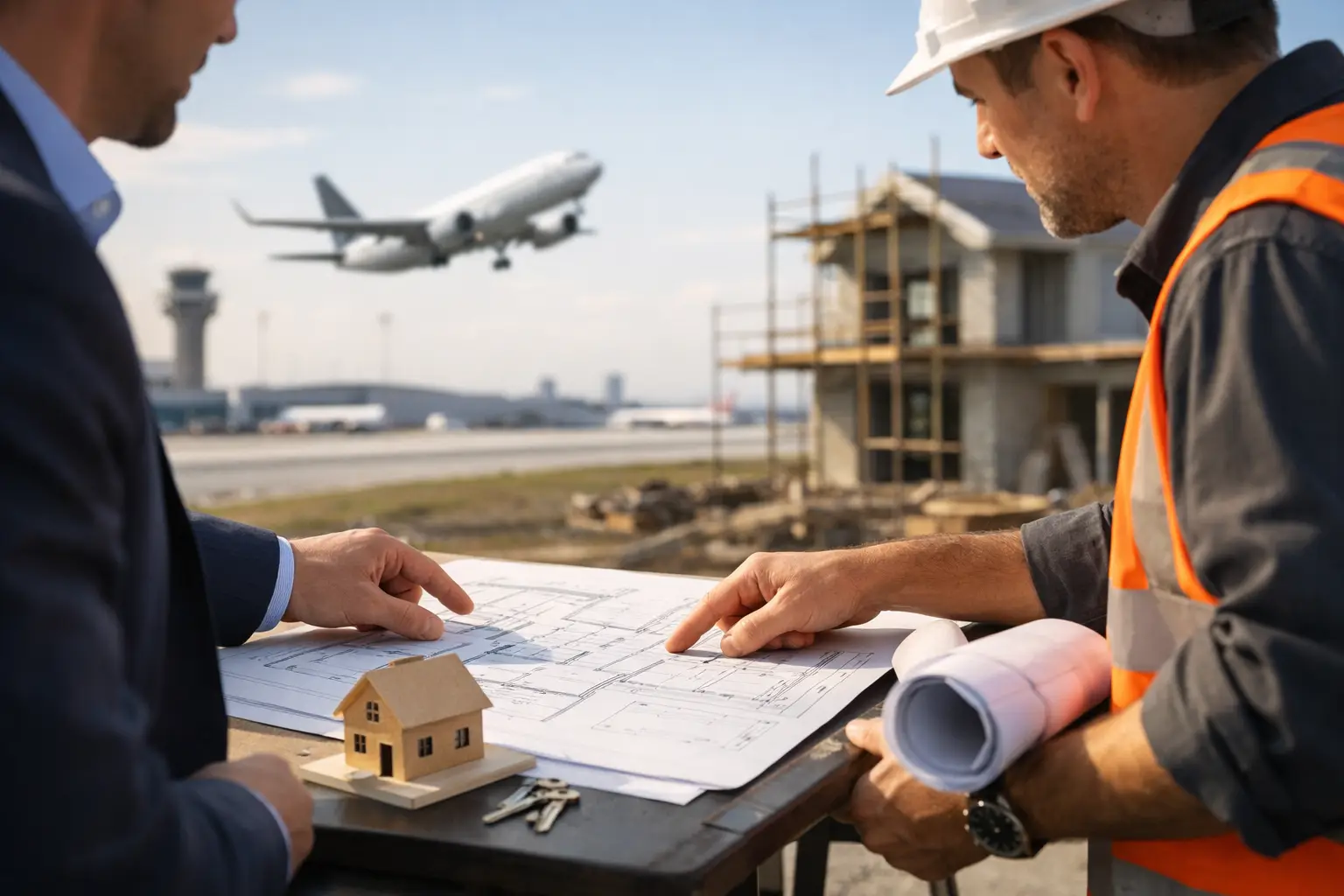
A house can photograph beautifully and still carry expensive problems behind the plaster. When comparing Builders in Airport West, the real question is not who can show the sharpest kitchen render. It is who has the process, trade standards and site control to deliver a home that performs properly for decades.
Whether you are planning a custom home, a major renovation, a knockdown rebuild or a dual occupancy project, choosing the right builder comes down to evidence. Clear scopes, realistic allowances, documented inspections and accountable project management matter far more than broad promises.
What Airport West projects demand from a builder
Airport West has a varied housing mix, from original brick homes and weatherboards to established family properties suited to substantial renovation or redevelopment. Many projects involve working within tight suburban sites, managing neighbouring homes, resolving stormwater requirements and coordinating council or planning matters where required.
A capable builder should assess the block before committing to a price or programme. Site access, fall, existing services, soil conditions, easements and demolition requirements can all affect the construction method and cost. These are not minor details to be dealt with after a contract is signed. They are the details that determine whether a project begins with control or avoidable variation claims.
For knockdown rebuilds and dual occupancy developments, the builder also needs to work effectively with designers, engineers, surveyors and relevant authorities. Good construction starts well before the slab is poured.
Builders in Airport West should price the work clearly
A fixed-price contract is only useful when the scope beneath it is properly defined. A low initial figure can become costly if it relies on vague allowances, excluded site works or finish selections that do not match the standard you expect.
Before signing, ask a builder to explain what is included in plain language. That should cover demolition where relevant, permits, engineering, site preparation, drainage, foundations, framing, insulation, waterproofing, fixtures, finishes and external works. You should also understand the provisional sums and prime cost items in the contract. These are legitimate tools when something cannot yet be confirmed, but they should be limited, realistic and clearly identified.
The right builder will not dismiss questions about cost. They will explain the assumptions behind the price, identify risks early and give you a practical path for making selections without losing control of the budget.
Look past finishes and ask about build integrity
Premium building is not defined solely by stone benchtops, feature cladding or a polished display home. The durability of a house is shaped by work that is often hidden at handover: drainage falls, structural bracing, flashing, waterproofing, insulation installation and the quality of junctions between materials.
Ask how those critical stages are checked. Is waterproofing inspected before tiles cover it? Are framing and tie-down details reviewed before linings go on? Is there a documented process for identifying and correcting defects as work progresses?
A builder who is serious about quality should be comfortable discussing these items. Licensed, insured and certified trades are fundamental, but so is active supervision. Good trades need clear documentation, sequencing and someone on site who will not accept work that falls below standard.
Judge the process, not just the sales meeting
The early consultation should give you a clear sense of how the builder manages a project. You should know who will be your point of contact, how often you will receive updates, how decisions are recorded and what happens when an unforeseen issue arises.
Construction always contains variables. Existing conditions can differ from reports, material lead times can shift and design changes can arise. The difference between a well-run project and a stressful one is how those variables are handled. A disciplined builder raises issues early, provides the available options and documents any approved change before proceeding.
At Builda Group, that discipline extends from design planning and permits through fixed-price contracting, staged inspections, handover and post-handover support. The aim is straightforward: fewer surprises, better accountability and a home built properly where it counts.
Match the builder to the scale of your project
Not every builder is suited to every job. A modest internal alteration has different demands from a full home renovation, architect-led custom build or two-dwelling development. For larger projects, look for demonstrated experience coordinating consultants, managing complex site works and maintaining quality across multiple trades and construction stages.
It is also worth checking how a builder approaches occupied renovations. Protecting lived-in areas, maintaining safe access, controlling dust and planning temporary services are practical concerns that affect your day-to-day life. They need to be considered in the programme, not treated as an afterthought.
The strongest choice is usually the builder who asks detailed questions before offering certainty. Bring your plans, site information and priorities to the first meeting, then assess the quality of the questions you receive in return. That conversation will tell you a great deal about how your build will be managed once the work begins.