
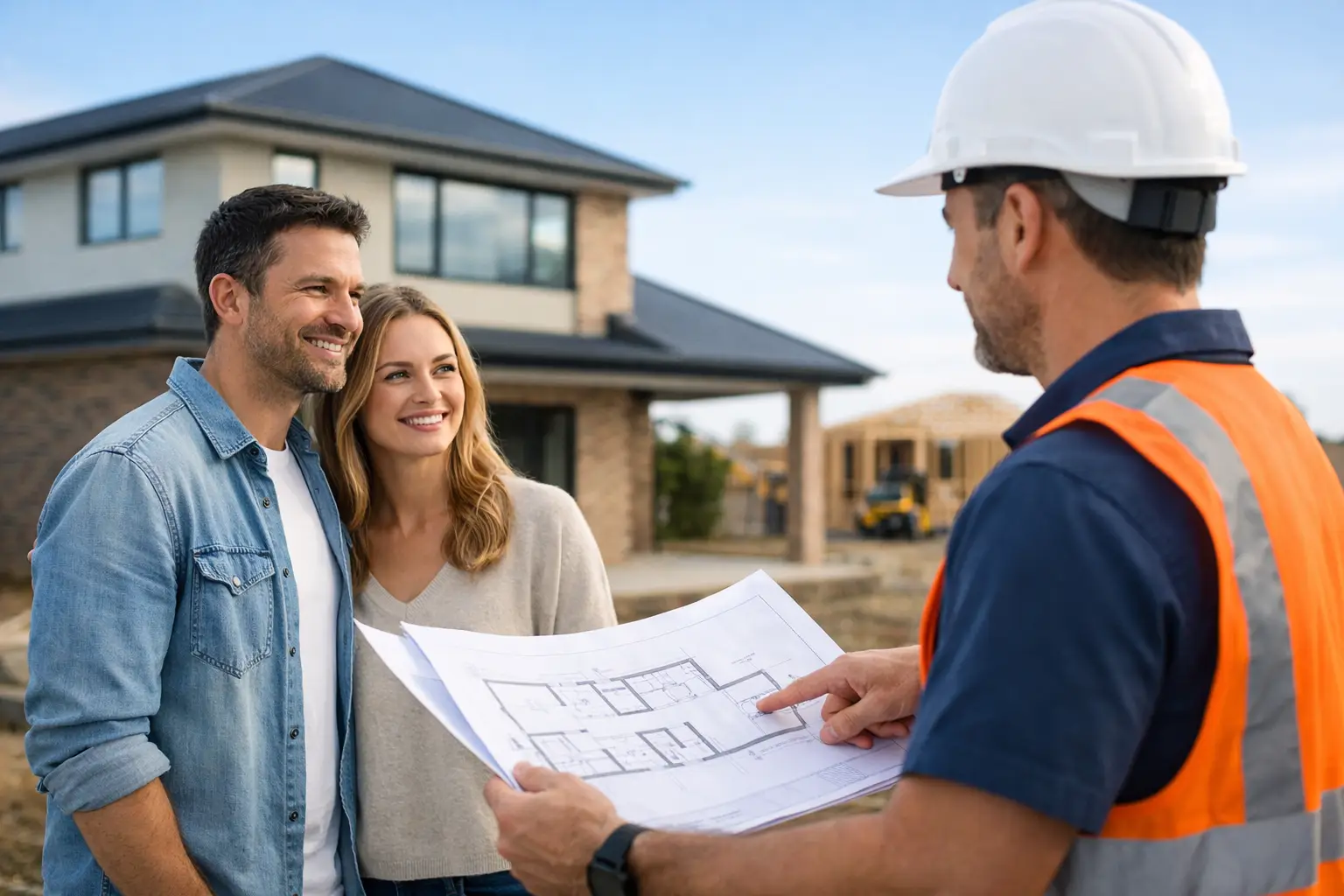
A home build can look impressive at handover and still carry problems that only reveal themselves years later. Poor waterproofing, incomplete flashing, inadequate structural bracing and rushed set-out work are rarely visible beneath plaster, tiles and paint. That is why choosing a Home Builder Greenvale homeowners can rely on is about far more than comparing façades, display homes or the lowest initial quote.
Greenvale attracts families and owner-occupiers who want more room, better functionality and a home that reflects how they actually live. It is also an area where projects can range from custom family homes on established lots to knockdown rebuilds and dual occupancy developments. Each has different planning, design and construction demands. The right builder brings those demands into focus early, before they become expensive variations or site delays.
Start with the building model, not the brochure
Before discussing finishes, establish what type of builder you are dealing with. A volume builder may offer a defined range of plans with limited flexibility. This can suit a straightforward block and a client comfortable working within a set product. A custom builder is better placed to respond to a difficult site, a detailed brief, an architect’s design or a home that needs to work around a family’s particular routines.
Neither approach is automatically wrong. The issue is fit. If you need a considered floorplan, significant changes to standard plans, upgraded construction details or close control over materials and execution, a cheap base price can be misleading. It may exclude the very things that make the home workable and durable.
Ask a prospective builder how they manage design development. Can they identify likely cost drivers before drawings are finalised? Will they coordinate consultants, engineering and permits? Do they have a clear process for moving from concept to a fixed-price building contract? Clear answers here are a sign of disciplined project management, not salesmanship.
What a Greenvale home builder should assess early
A proper assessment begins with the site. Even a block that appears flat and uncomplicated can have conditions that affect cost, timing and construction method. Soil classification, easements, fall across the land, existing services, drainage requirements and neighbourhood character can all shape the project.
For a knockdown rebuild, the existing dwelling brings another layer of work. Demolition, service disconnections, site access and any unexpected conditions need to be planned properly. For dual occupancy, the work expands further to include planning controls, subdivision requirements, vehicle access, overlooking, private open space and the practical servicing of two dwellings.
A capable builder will not pretend these matters disappear with a preliminary estimate. They will explain what is known, what still needs investigation and where allowances may be required. That distinction matters. Honest early advice protects the budget better than false certainty.
Greenvale projects need practical planning
Good planning is not just about securing an approval. It is about making sure the approved design can be built efficiently and to the intended standard. Windows need sensible flashing details. Wet areas need reliable waterproofing systems. Rooflines, drainage and external cladding need to work together, particularly where the design introduces complex junctions.
This is where a trade-led builder adds real value. The home must be resolved on paper, but it also has to make sense to the people setting out frames, installing membranes, forming concrete and fitting joinery on site. Construction knowledge should inform the design from the beginning.
Fixed pricing needs definition behind it
A fixed-price contract provides certainty only when the scope is properly documented. A figure on its own tells you very little. You need to know what drawings, specifications, engineering, site costs and selections are included in that figure, as well as what has been excluded or treated as a provisional allowance.
Review the specification with the same care you would give the floorplan. It should identify key products, fixtures, appliances, finishes and construction inclusions. General phrases such as ‘quality fittings’ or ‘premium flooring’ leave too much open to interpretation. Specificity reduces disputes because both parties are working from the same agreed standard.
Pay particular attention to site costs, soil conditions, retaining, drainage, external works and service connections. These are common areas for budget pressure because they are not always apparent at the first meeting. A builder should be able to explain the assumptions used in their price and what may trigger a variation.
Variations are not always a failure. Clients can change their minds, site conditions can be genuinely unforeseen and authorities can require additional work. The standard to look for is how variations are identified, priced, documented and approved. No work should proceed on a verbal assumption that can later become an argument.
Look behind the finished surfaces
A premium home is not defined solely by stone benchtops or a striking façade. Those elements matter, but the long-term performance of the building depends on work that is often hidden once construction progresses.
The essential details include correct slab preparation, framing set-out, structural tie-downs, weatherproofing, flashing, insulation, waterproof membranes and drainage. A defect in any one of these areas can lead to water ingress, movement, mould or costly rectification. The most expensive defects are frequently the ones concealed behind finished linings.
Ask how the builder checks this work before it is covered. Documented stage-by-stage inspections create accountability throughout the build. They also give homeowners confidence that the job is being assessed at the points when corrections are practical, rather than at the end when many details are no longer visible.
Builda Group approaches residential construction with this principle in mind: craftsmanship is demonstrated in the unseen work as much as the final presentation. Licensed, insured and certified trades, combined with active site oversight, are not optional extras on a serious build. They are fundamental to protecting the home and the investment behind it.
Site management tells you what handover will feel like
A well-run construction site is not necessarily silent or spotless every minute of the day. It is, however, organised, safe and controlled. Materials are protected, trades understand the sequence of work, issues are raised early and the programme is actively managed.
Ask who will be responsible for your project once the contract is signed. Will you deal with a dedicated project manager or be passed between office staff? How often will you receive updates? Who checks the work of subcontractors? What is the process if you spot an issue or need a decision clarified?
These questions are especially important for busy families and property owners. You should not need to chase basic information about progress, upcoming selections or decisions that affect cost. Regular, plain-English communication prevents small uncertainties from becoming major frustrations.
The programme must allow for quality
Fast builds are appealing, but speed has limits. Concrete needs appropriate curing time. Waterproofing and external finishes require correct preparation. Trades need access at the right stage, not stacked on top of each other because the schedule has slipped.
A realistic programme accounts for approvals, lead times, weather and inspections. It also allows time to correct work where necessary. A builder who promises an unusually quick completion date without explaining the assumptions deserves closer scrutiny.
Check credentials, warranty and real accountability
Your builder should hold the appropriate Victorian registration, insurance and licences required for the work. They should also be willing to provide a written contract, a detailed scope and evidence of the protections relevant to your project.
A structural guarantee is worth considering, but it should sit alongside sound construction practice, proper inspections and clear defect rectification procedures. Guarantees are not a substitute for doing the job properly in the first place. They are reassurance that the builder stands behind the structural integrity of their work.
References remain useful, particularly when they relate to projects similar to yours. Rather than asking only whether a past client liked the final home, ask how the builder handled communication, changes, site issues and the period after handover. The response to problems often tells you more than the sales process ever can.
Choose the builder who is clear before construction starts
The strongest building relationships begin with direct conversations. You should understand the pathway from consultation and design through permits, contract, construction, handover and post-handover support. You should also feel comfortable asking detailed questions without being rushed towards a deposit.
The right Home Builder Greenvale clients choose will not promise that construction is free of decisions or challenges. Building is complex work. What they should offer is a controlled process, honest pricing, visible quality checks and the technical discipline to resolve issues properly. That is how a new home remains a sound place to live long after the keys are handed over.