
| Quick answer A reputable custom home builder in Victoria carries an updated Domestic Builder Unlimited licence. They follow stage-wise inspection procedures and comply with both NCC and 7-Star NatHERS rules. Ensure you check for site-specific engineering, an accountable project manager, transparent diversification and a real structural guarantee. |
Constructing a family home is one of the major financial commitments across an Australian household. However, the build remains one of the least transparent industries to deal with. Building dynamics across Victoria have seen headline collapses and licensing crackdowns recently.
This sharpens the gap between builders who communicate well and those who do their work flawlessly. This is where choosing a reliable custom home builder in Victoria becomes a key determinant from the initial sketch to final delivery.
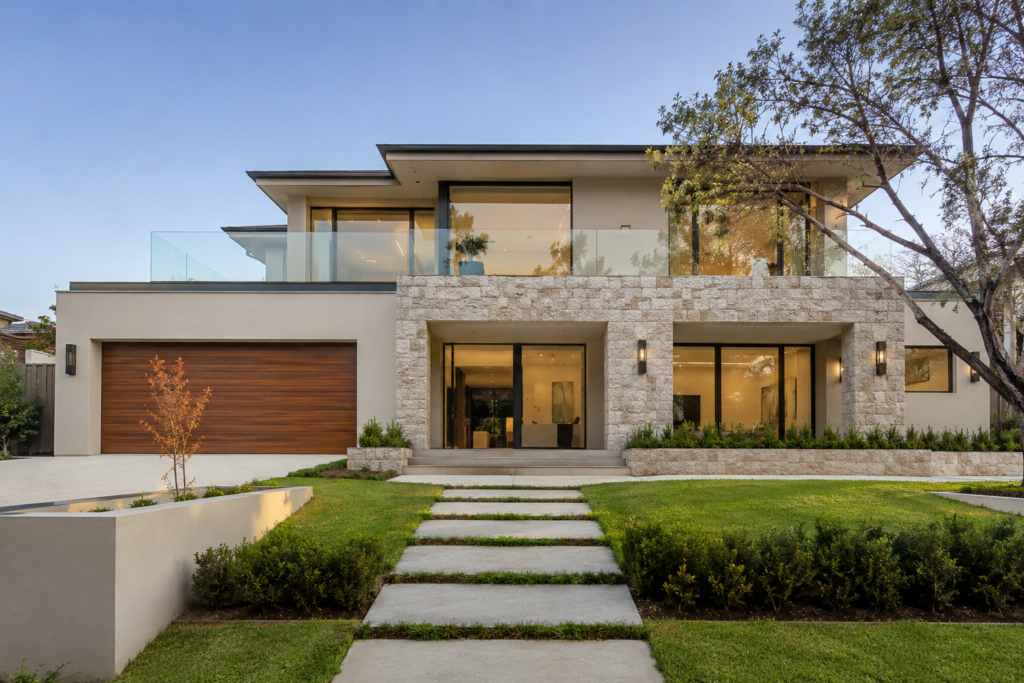
Why Custom Builds Demand a Different Standard
Mainstream home builders use a set of pre-designed plans built repeatedly across large developments. A custom build initiates with almost nothing but a site and a brief. So every decision made once has to be accurate and right the first time.
Bushfire overlays, reactive clay soils, and heritage controls differ block-wise across Victoria. Therefore, the design work starts right from scratch each time. That’s why an expertly handled custom home build relies more on thorough documentation than what’s required in other types of residential constructions.
What Separates a Genuine Custom Builder From a Volume Builder
Not all businesses that advertise custom designs will deliver exactly what they commit. Below we’ve outlined the logical difference that’s worth checking before signing a contract:
| Factor | Custom Builder | Volume Builder |
| Design process | Built around your site, brief and lifestyle | Selected from a fixed range of standard plans |
| Site handling | Full site survey and individual engineering | Standardised footings across similar lots |
| Trade continuity | Same project manager and crew throughout | Rotating subcontractors across multiple sites |
| Contract flexibility | Variations negotiated directly with the builder | Limited scope for mid-build changes |
| Finish specification | Client selected materials and fixtures | Fixed inclusions list |
Licensing, Compliance and the Standards That Actually Protect You
It’s common for any general builder to claim to deliver a high standard. The public register of the Building and Plumbing Commission confirms whether a claim holds up insurance status, listing licence class and history. The building rules in Victoria have also tightened recently.
This explains the major change for Victorian homes with the new 7-Star NatHERS and Whole of Home requirements, whose design is getting redefined right from the initial planning stage. A builder who fails to meet these standards is already behind.
How a Well-Run Custom Build Should Progress
A transparent build without any middleman costs involved follows a structured approach as details vary project-wise. Both design and documentation take around 15 to 20% of the programme that covers:
- Concept plans
- Drawings
- Permits
Site and structural work takes around 25 to 30%, as excavation, framing, and footings come together.
20% is dedicated to lock-up, covering roof, windows and cladding. Also, fit-out follows at close to 25% for plumbing, electrical, tiling, and cabinetry. The final 5 to 10% covers handover, where inspection and errors get resolved before project completion.
Average Build Times in Victoria by Dwelling Type
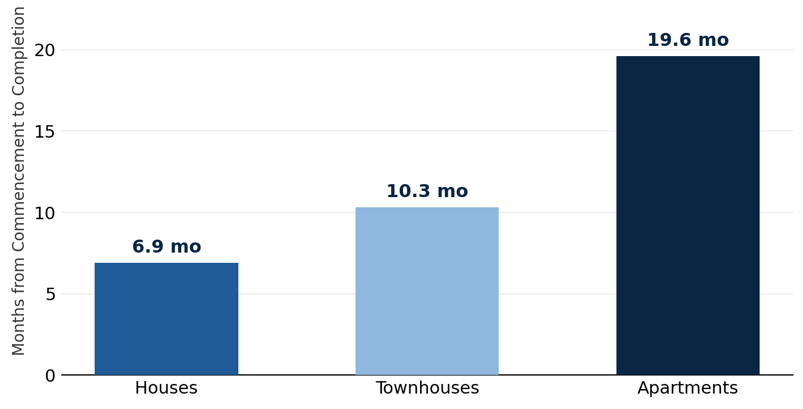
Source: Australian Bureau of Statistics (ABS) — Average dwelling completion times. Houses remain the fastest dwelling type to build as families are now choosing a standalone build with a limited timeframe.
Questions Worth Asking Before You Sign
Having clear communication with a custom home builder in Victoria can save months of frustration from an incomplete or inaccurate build.
Here’s what property owners should closely watch for:
- What current licence does the builder have and whether it’s on the BPC register
- Who will manage the site daily and will that individual remain for the complete build
- How variations get priced and approved once construction begins
- What warranty and defects liability timeline applies post handover
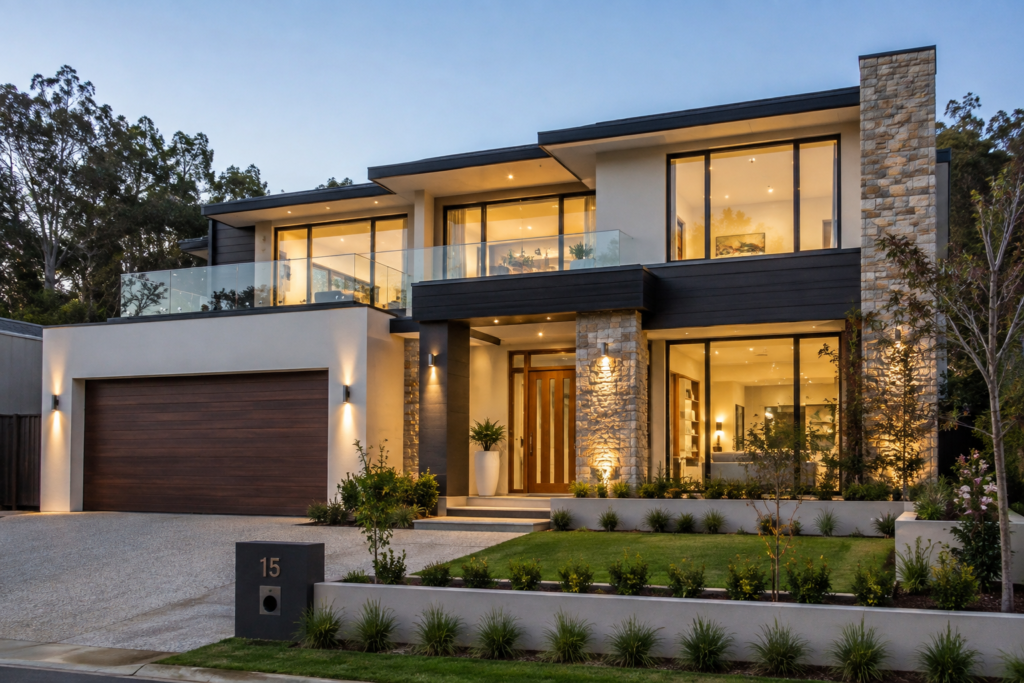
The Builda Group Standard Clients Rely On
At Builda Group, we’ve spent decades building custom homes across Victoria backed by a Domestic Builder Unlimited licence and stage-wise inspections across every site. The same discipline extends throughout the business, right from design and construct projects to complete renovations. This helps clients deal with one accountable team instead of a chain of subcontractors.
Conclusion
When planning to build a custom home in Victoria, it’s important to choose a builder who backs the actual work and design process. Property owners need to check for licensing, understand the build process, and raise the right concerns before signing a contract. At Builda Group, we add all these elements into every project we undertake as a renowned custom home builder in Victoria.
Contact us today to start the conversation about your site, your brief and your budget.
Frequently Asked Questions
How long does a custom home take to build in Victoria?
Most custom builds run 10 to 14 months from slab to handover, though timelines vary with site complexity.
What protects me if my builder becomes insolvent?
Victoria’s building insurance and warranty schemes cover lost deposits and incomplete work if a licensed builder cannot finish your project.
Do I need both a planning permit and a building permit?
Not always. Planning permits address zoning and overlays, while building permits confirm structural compliance, and many custom builds need both.