
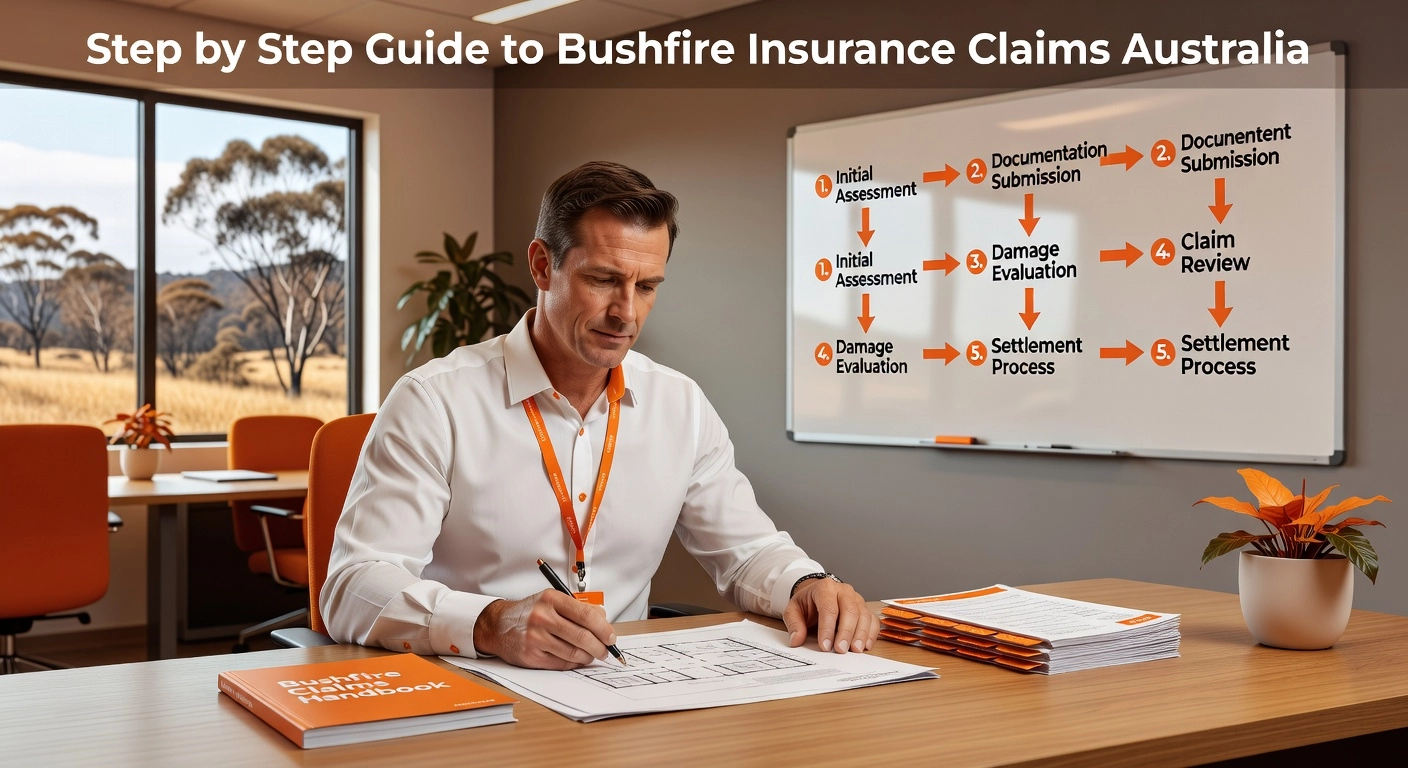
Experiencing a bushfire can leave homeowners in Australia facing overwhelming losses and a complex path to recovery. In such moments, knowing how to navigate bushfire insurance claims australia effectively can make a significant difference in securing the support you need to rebuild.
This guide offers clear direction for beginners who are new to the claims process. You will learn the essential steps from preparing your initial notification to submitting documentation, communicating with insurers, and resolving any disputes that arise. Each stage is explained in straightforward terms so you can follow along with confidence. By the end of this resource, you will understand your policy rights, avoid common pitfalls, and move through the procedure methodically. With this knowledge, you can focus on recovery while ensuring your claim is handled properly from start to finish.
Recent Bushfire Season Impact on Claims
In 2025 extreme weather produced 3.49 billion dollars in insured losses from 264,000 claims across Australia. Bushfires joined hail and flood events as key drivers behind five declared catastrophes, with the Insurance Council of Australia tracking the full impact through official data. These losses exceeded the previous year by a wide margin and showed how quickly multiple perils can combine to strain household finances and recovery resources.
Victoria recorded extensive damage in the 2025 to 2026 season when fires burned more than 400,000 hectares. The destruction included 338 homes and roughly 900 structures, leaving many residents without immediate access to their properties. Grassland and bushland areas across eighteen local government districts felt the greatest effects, with power outages and agricultural setbacks adding to the overall disruption.
Claims in Victoria climbed rapidly to 2,369 by mid-January 2026. Early assessments found around thirty percent of property claims rated as total losses, requiring full rebuilds rather than repairs. Insurers responded by setting up on-ground hubs and prioritising triage to help homeowners understand coverage before any clean-up work began.
The same year ranked as the fourth most costly catastrophe period on record. Industry forecasts indicate this will push home insurance premiums higher in 2026, especially where rebuilds must meet updated Bushfire Attack Level standards. Property owners benefit from checking policy limits now and documenting existing structures to reduce the risk of under-insurance when claims arise.
Prerequisites Before Starting Any Repairs
Before lodging a claim or touching anything on site, review your policy schedule and Product Disclosure Statement in detail. Note any specific clauses on Bushfire Attack Level standards, particularly for homes built before 2009 when post-Black Saturday rules under AS 3959 first took hold. Many older properties now require upgraded ember-proofing, sealed gaps and non-combustible materials on rebuild, and sum-insured policies can leave owners short if these costs are not covered. Contact your insurer early to confirm how extra compliance expenses will be handled.
Next, focus on safety and loss mitigation without crossing into permanent work. Board windows, tarp roofs or move valuables only as needed to stop further weather damage or theft. Keep every temporary step documented with photos and written records, since most policies expect reasonable care yet prohibit major repairs until written approval arrives.
Gather extensive before-and-after evidence straight away. Record the entire property room by room, including outbuildings, contents and any pre-existing condition notes. Store copies off-site or in cloud storage so they survive any further events.
Finally, determine whether your property sits in a bushfire-prone area that triggers higher BAL-rated construction under current Australian Standard AS 3959. A qualified assessment will show exactly what upgrades apply, and this information helps your insurer and builder plan compliant repairs from the outset. As a licensed Victorian builder holding a Domestic Builder Unlimited licence, we regularly guide Melbourne homeowners through these exact steps on insurance repair projects, ensuring every decision aligns with both policy requirements and current building codes.
Step One Contact Your Insurer Immediately
Contact your insurer or broker straight away once it is safe to do so. Recent bushfire activity in Victoria produced nearly 2,369 claims by mid-January, so early notification helps your case move through the system faster and avoids disputes over works you carry out without approval. Tell them you need confirmation on what your policy covers before any clean-up or temporary repairs begin. Most policies require this step, and acting without written approval can leave you paying for debris removal or make-safe work yourself.
Request an on-ground assessment rather than a desktop review, especially during peak claim periods when insurers set up local hubs. An assessor will inspect the site, note the extent of damage, and prepare a scope that can be updated later if hidden issues appear. Ask for written clarification on your rebuild limits, including extra costs for higher Bushfire Attack Level compliance under current Australian standards. Many older homes now face substantial added expenses for ember-proofing and fire-resistant materials that push beyond the original sum insured.
Keep a clear record of every call, email, and meeting, noting the date, person you spoke with, and main points discussed. Request copies of all assessment reports and coverage decisions in writing so you have them for future reference or if you need to escalate a concern. These records protect your position and help any builder you appoint understand exactly what has been approved.
Step Two Understand Total Loss Assessments and BAL Rules
Insurers assess a total loss when damage requires full demolition and rebuild rather than repairs. An assessor reviews the site against your policy terms and current building codes. Post Black Saturday rules under AS 3959 now apply to most pre 2009 homes in bushfire zones. These standards expand the rebuild scope with ember proofing, fire resistant materials, specific glazing and sealing details that were not required before.
Rebuilding to a BAL rating adds measurable cost over a standard home. Lower ratings such as BAL 12.5 or 29 need extra sealing and screening. Higher ratings like BAL 40 or FZ demand specialised shutters, sprinklers or non combustible cladding. Historical figures show these upgrades can add tens of thousands of dollars, sometimes reaching 20 percent or more of the total project.
You generally face two settlement paths. An insurer managed option brings their panel builders and project oversight, which can limit your input on timing and trades. A cash settlement gives you the funds directly so you control the process, yet you carry responsibility for approvals, quality and any overruns.
Check your Product Disclosure Statement to confirm whether you can nominate your own builder. Many policies allow this choice, subject to quote approval, especially after a total loss. Review the latest guidance on bushfire cover and compare options in your policy wording. This clarity helps you engage a licensed Victorian builder with a Domestic Builder Unlimited licence early and keeps the rebuild compliant across Melbourne and surrounds.
Step Three Select and Engage a Local Builder
Selecting the right builder after a bushfire claim in Victoria demands direct verification of credentials and a clear plan for the rebuild. Start by confirming the builder holds a Domestic Builder Unlimited licence through the Victorian Building Authority register. This class permits full management of residential work including homes and associated structures, and it requires at least three years of practical experience plus formal qualifications in building compliance and safety. Ask specifically for proof of Domestic Building Insurance eligibility and examples of past insurance-funded repairs, because post-bushfire projects often involve cash settlements, scope changes, and coordination with loss adjusters.
Next, request documented evidence of completed BAL-compliant rebuilds in Victoria along with references from recent claims. Post-2009 standards under AS 3959 mean many sites now require ember-proofing, fire-resistant glazing, and upgraded materials that can raise costs substantially. A builder with recent experience will show building permits, final inspection certificates, and client contacts from 2024-2026 events so you can verify how they handled variations and code upgrades.
Discuss the full project management approach in detail before signing anything. Cover the sequence from site assessment and engineering reports through planning permits, building approval, construction phases, inspections, and final handover with certificates. Typical approval timelines run four to twelve weeks depending on council workload and overlay requirements, so confirm how the builder will track progress and manage delays.
Finally, establish clear communication channels with the loss adjuster and insurer from the first day. Provide written consent for major variations, send regular progress reports and photos, and keep a single point of contact within the builder’s team. This approach prevents disputes over scope or quality and supports smoother claim finalisation.
Practical Tips to Avoid Common Pitfalls
In the wake of recent Victorian bushfires that triggered nearly 2,400 claims by mid-January, many policyholders face delays or shortfalls because they overlook basic safeguards in the bushfire insurance claims australia process. Secure written insurer approval before any major repairs or rebuilds begin. Proceeding without this step often leads to disputes over scope, costs, or contractor selection, leaving homeowners to cover expenses themselves. Contact your claims handler first for emergency make-safe work, then submit detailed quotes and wait for explicit sign-off on permanent works. Keep copies of every email and letter to create a clear record that supports your position if questions arise later.
Track every added expense that stems from updated building standards, such as higher Bushfire Attack Level requirements for cladding, roofing, and ember protection on pre-2009 homes. These upgrades can increase costs substantially, yet many policies cover compliance extras if you document them properly. Obtain independent builder estimates that itemise the differences between original and current code standards, then present this breakdown during settlement talks to avoid underinsurance gaps. Regular reviews of your sum insured against actual rebuild figures help close potential shortfalls before they become problems.
Stay in regular contact with your assigned claims handler, especially when volumes surge and standard response times stretch beyond the usual ten business days. Weekly check-ins by phone or portal, backed by written summaries, keep your file moving and resolve issues faster. If delays occur, reference policy timeframes politely and request escalation where needed. This steady approach demonstrates your engagement without creating conflict.
When accessibility needs exist in your household, raise the possibility of integrating modifications such as wider doorways or ramps into the repair scope from the start. Some policies allow betterment for these changes if supported by medical reports, and discussing them early lets you combine works efficiently rather than facing separate projects later. A builder holding a Domestic Builder Unlimited licence can confirm how these additions fit current standards across Melbourne and surrounds.
Next Steps for Recovery
Safety and documentation come first after any bushfire. Confirm with emergency services that the site is safe before returning, then photograph and record all damage thoroughly without starting cleanup or repairs. Contact your insurer immediately for guidance and written approval before any physical work begins. This step prevents coverage issues and allows them to arrange temporary accommodation or urgent support.
Clarify Bushfire Attack Level requirements early through a formal assessment to match current standards under AS 3959 and avoid under-insurance surprises when rebuilding. Select a licensed local builder experienced in insurance repair works who holds a Domestic Builder Unlimited licence and can coordinate directly with your insurer on scope, compliance, and timelines.
Keep detailed records of every conversation, document, and expense throughout the process. Revisit your policy coverage each year as extreme weather events increase risks across Victoria.
Conclusion
Navigating bushfire insurance claims in Australia involves several critical steps that can lead to successful recovery. First, notify your insurer promptly and gather all necessary documentation. Second, maintain clear communication throughout the process while understanding your policy rights. Third, be prepared to resolve any disputes that may arise by knowing your options. This guide has equipped you with the knowledge to avoid common mistakes and handle your claim methodically.
By applying these insights, you can focus on rebuilding your life with confidence. Review your insurance policy today and start the claims process if you have not already done so. Remember, you have the tools to secure the support you need. Take that first step toward recovery now, and rebuild stronger than before.