
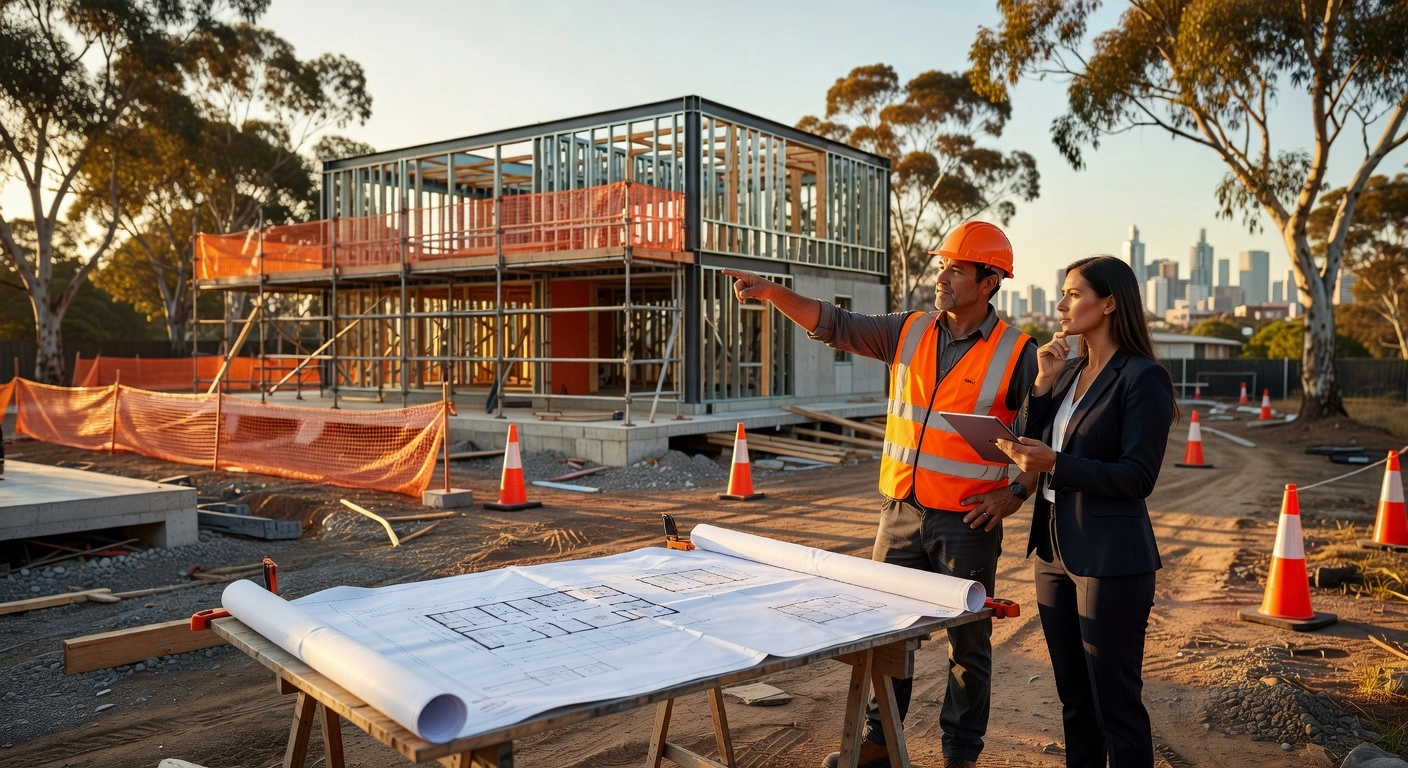
In Melbourne’s dynamic property market, where land scarcity meets rising demand for personalized living spaces, the decision to build a custom new home stands out as a strategic choice for discerning homeowners. Unlike standard developments that prioritize volume over individuality, custom new home builds offer unparalleled flexibility to craft a residence that aligns precisely with your lifestyle, budget, and future aspirations. As an expert in the field, I have witnessed firsthand how these projects transform visions into enduring legacies amid the city’s evolving urban landscape.
This analysis delves into the key insights shaping custom new home builds in Melbourne today. Readers will gain a clear understanding of current trends, from sustainable materials and innovative designs to navigating council regulations and cost management strategies. We will examine real-world case studies, highlight common pitfalls to avoid, and outline proven steps for achieving a seamless build process. Whether you are a prospective buyer weighing options or an investor eyeing long-term value, these authoritative perspectives equip you with the knowledge to make informed decisions. Discover how custom new home builds not only elevate your living experience but also deliver superior returns in one of Australia’s most competitive markets.
Melbourne Housing Market Snapshot
Persistent Supply Shortfalls in Victoria
Victoria’s housing sector faces a stark reality with just 54,323 new dwelling completions recorded over the 12 months to September 2025, marking the lowest figure in over a decade. This falls far short of the state government’s ambitious 80,000 annual target set under its housing accord, highlighting deep-rooted supply constraints. Delays stem from construction insolvencies, labor shortages, and material bottlenecks, leaving a projected pipeline gap of more than 200,000 homes by 2034. Quarterly data reinforces the slump, with September 2025 completions at an 11-year low of 13,748 dwellings, and the December quarter dipping further to 13,678 seasonally adjusted. For builders like those holding a Domestic Builder Unlimited licence, this underscores the need for efficient project management across Melbourne’s northern suburbs and surrounds. Homeowners and investors should track quarterly ABS releases to gauge recovery signals.
Dwelling Approvals Show Cautious Uptick
Australian Bureau of Statistics figures for March 2026 reveal Victoria’s total dwelling approvals at 5,102 seasonally adjusted, a sharp 16.9 percent monthly drop yet with the trend measure climbing 1.5 percent to 5,178. Private sector house approvals stood at 2,853, down 2.5 percent monthly but trending up 1.2 percent, pointing to tentative homeowner confidence amid high interest rates. Nationally, approvals trended slightly higher at 0.5 percent, buoyed by detached homes despite apartment volatility. This data, drawn from ABS Building Approvals latest release, signals a fragile rebound for custom new home builds. In practice, northern Melbourne areas like Whittlesea and Hume benefit from steady private house trends, where site-specific projects thrive. Expect stabilization if rate cuts materialize, but monitor monthly fluctuations for build timelines.
Rising Prices Drive Custom Demand
Melbourne’s median house prices fluctuated between $845,000 and $930,000 in early 2026, with forecasts now projecting 6.6 percent growth through the year, fueled by migration and rental tightness. By March, medians hit $1.08 million per Domain data, underscoring undersupply pressures. National construction output supports this, expanding 6.9 percent to $193.2 billion, as detailed in the Australia Construction Industry Report 2026. These dynamics push demand toward custom new home builds, where personalization offsets volume housing delays. Investors in surrounds like Darebin see value in tailored designs on larger blocks. Actionable step: Assess your block now, factoring 12-18 month timelines influenced by approvals and weather.
Custom Builds Bridge the Market Gap
Amid volume builders’ backlogs, custom new home builds stand out for homeowners and investors seeking bespoke layouts, energy-efficient features, and multi-generational adaptability in northern suburbs. Suburbs like Epping and Craigieburn top hotspots for 2026 property growth, ideal for custom home opportunities in Melbourne’s north. With over 230,000 dwellings under construction nationally, customs offer control over costs at $2,600-$4,000 per square meter and compliance with NCC 2022 standards. Experienced directors with 10+ years prioritize transparency from site surveys to handover. This approach delivers reliability in a volatile market, positioning custom projects as smart plays against persistent shortfalls. Look ahead to June ABS data for momentum shifts.
Why Custom Builds Are Surging
Housing Shortages Driving Custom Demand
Victoria’s persistent undersupply, with just 54,323 new dwelling completions over the 12 months to September 2025, has buyers turning to custom new home builds for solutions that off-the-shelf homes cannot match. This shortage, far below the 290,000 needed annually to meet demand through 2035, forces families to prioritize tailored designs that accommodate multigenerational living. The 2021 Census revealed 335,000 multi-generational households, a 22% rise from 2016, projected to reach one-third of Australians by 2041 due to soaring median house prices over $900,000 and childcare costs exceeding $150 per day. Custom builds integrate self-contained granny flats, soundproofed zones, and separate entries, ensuring privacy while sharing resources like solar-powered systems for efficiency. For investors, dual occupancy on 400-550 sqm blocks unlocks income potential without complex subdivisions. Builders like Builda Group, holding a Domestic Builder Unlimited licence and over 10 years of experience from Melbourne’s north, deliver these with stage-by-stage transparency. Australia residential construction market report
Personalization for Modern Lifestyles
Bespoke layouts in custom new home builds set them apart by directly addressing hybrid work and wellness needs that standard designs ignore. Home offices with natural light, open-plan flows to al fresco areas, and flexible zoning via modular walls allow rooms to shift from gyms to guest suites seamlessly. Over 42% of Melbourne professionals now work from home two or more days weekly, demanding built-in storage and spa ensuites that avoid the pitfalls of renovating older homes with asbestos risks. These features align with 2026 trends like Japandi and Modern Farmhouse styles, emphasizing nature-integrated wellness and 9.2-star NatHERS ratings through passive design. At Builda Group, the director’s hands-on commitment ensures every layout reflects your block, family, and budget discussions from day one. This personalization not only future-proofs homes but boosts resale value in tight markets.
Northern Melbourne’s Custom Boom
Specialists in northern Melbourne are capitalizing on growth corridors, crafting custom new home builds with premium Australian materials suited to local sloping or narrow blocks. Hardwoods, locally sourced stone, and bushfire-resilient finishes deliver architectural details like sculptural staircases and glazed extensions, maximizing site potential under Victorian zoning. House approvals rose 3.7% in the three months to November 2025, supporting demand in areas like Monash and Whitehorse facing 30% dwelling shortfalls. Builda Group’s base here, with full-site surveys and licensed trades, handles complexities from pre-construction planning to handover, typical timelines of 12-18 months. These homes integrate indoor-outdoor flow for Melbourne’s climate, using NCC 2022-compliant methods.
Investor Appeal in Unit Developments and Rebuilds
Investors increasingly favor custom projects for knockdown rebuilds and unit developments in high-demand suburbs, where premiums from new 4-5 bed homes outpace townhouses. Victoria’s multi-unit approvals surged 36.4% over two years, eased by planning reforms, turning single sites into compliant dual occupancies. Costs reflect site specifics, but the equity growth in Melbourne’s forecasted 6.6% price rise for 2026 makes it viable. Builda Group’s expertise spans these alongside NDIS modifications and insurance repairs, backed by a 10-year structural guarantee and 5-star ratings from 25+ deliveries. For reliable execution across Melbourne and surrounds, start with a consultation to assess your block’s investment fit. HIA home building forecast
2026 Design Trends for Custom Homes
Modern Classical: Curves and Layered Textures for Joyful Living
Modern Classical leads the pack in the James Hardie Modern Homes Forecast 2026, blending timeless symmetry with soft, organic curves to spark creativity and wellbeing. Arched doorways, rounded facade transitions, and undulating surfaces replace stark lines, creating facades that feel alive and approachable. Inside, minimalist indoor-outdoor connections shine through seamless patios, bi-fold doors, and green walls that blur boundaries, perfect for Melbourne’s temperate swings. Layered textures add depth: think fluted timber panels over fibre cement cladding in muted creams or botanic greens, paired with limestone pavers for durability. This style resonates because it supports evolved living; Neale Whitaker, the forecast’s expert, calls homes “the canvas for our creativity.” For custom new home builds, we integrate these via full-site surveys and NCC-compliant designs, ensuring your Melbourne property withstands coastal winds while fostering daily joy.
Box Modern: Flexible Zones for Tech-Savvy Autonomy
Box Modern follows closely, prioritizing cubic forms, flat roofs, and bold, modular cladding that adapt to Melbourne’s unpredictable weather. Flexible zoning defines it: stack private retreats above open communal spaces, with courtyards acting as buffers against rain or heat. Tech integration runs deep, from embedded smart lighting and automation to low-maintenance systems that enable autonomous living for multigenerational families. Durable materials like Colorbond steel and structured hardscaping handle variable climates without fuss, minimizing upkeep. This aligns with rising private house approvals in Victoria, up 10.1% year-on-year per ABS data, as buyers seek personalized, self-reliant homes amid shortages. In our 10+ years managing custom projects, we’ve delivered these adaptable layouts with stage-by-stage transparency, backed by our Domestic Builder Unlimited licence for reliable execution across Melbourne and surrounds.
Sustainability: 7-Star Efficiency Meets Premium Resilience
Sustainability isn’t optional; NCC 2022 mandates 7-star NatHERS ratings for new builds, demanding 25% better efficiency than before through insulation, double glazing, and solar integration. Premium Australian materials like fibre cement and high-performance cladding achieve Whole-of-Home scores over 60/100, cutting Victoria bills by $300 to $1,056 annually. James Hardie innovations, such as Hardie Gravis AAC launching mid-2026, fuse recyclables with biophilic elements for resilient interiors. HIA reports small builders like us handle two-thirds of these homes, navigating regulatory hurdles with precision. We prioritize this in every custom new home build, from NDIS modifications to full residences, drawing on director-led commitment for verified compliance and long-term performance.
Emerging Styles: Japandi, Modern Farmhouse, and Neuro-Inclusive Design
Japandi evolves with quiet intelligence: deep overhangs, sliding screens, and warm woods in greys and greens for restorative flow. Modern Farmhouse mixes pavilion roofs, black-framed windows, and board-and-batten in earthy tones for passive, smart multigenerational spaces. Neuro-inclusive features gain ground, with wellness zones offering acoustic controls, dimmable lighting, and natural buffers to aid neurodivergent users, aligning with Australia’s standards push. These trends, per James Hardie, tap 57% AI adoption for joyful personalization. For Melbourne investors or homeowners, action step: consult NatHERS early and reference forecasts. At Builda Group, our 25+ deliveries and 10-year guarantees ensure these forward-thinking elements fit your vision, from single-storey customs to unit developments.
Timelines for Custom New Home Builds
Custom new home builds in Melbourne typically unfold over 12-18 months from initial consultation to keys in hand. This timeline splits into a pre-construction phase of 3-6 months, handling site surveys, soil tests, architectural designs, and council approvals, followed by an 8-12 month build phase. Pre-construction demands precision; for instance, building permits in Victoria can take 6-16 weeks, especially in bushfire-prone or heritage areas around Melbourne’s north and surrounds. Delays here cascade into the build, where site prep and footings alone require 3-6 weeks, framing 4-8 weeks, and lock-up through to handover another 6 months with internals and inspections. Recent trends show the average detached home in Victoria completing in about 11.5 months from approval, per Master Builders Australia data, though custom projects add time for personalization amid rising demand from Victoria’s housing shortfalls.
Factors Delaying Timelines
Site complexity tops the list of hurdles, with sloping blocks in Melbourne’s outer north often needing geotech reports and retaining walls that extend prep by weeks. Weather plays a big role too; wet seasons or heatwaves in our region can push lock-up stages back 4-8 weeks, as seen in recent ABS-linked analyses showing Victorian build times at 41 weeks on average. Council approval backlogs, fueled by Victoria’s 5,102 monthly dwelling approvals (down 16.9% short-term but trending up), add 6-8 weeks in overloaded periods. Client-driven changes, like mid-design tweaks to layouts or finishes, compound this; industry reports note such decisions alone inflate timelines by 1-3 months. Supply chain lags for custom materials, still lingering from post-COVID peaks, and tradie shortages round out common pitfalls, with national averages now 35% longer than pre-2019 levels (IPA analysis).
The Role of Licensed Builders in Reliable Delivery
Our Domestic Builder Unlimited licence equips us to navigate these stages seamlessly across Melbourne and surrounds. We coordinate mandatory inspections at footings, frame, lock-up, and final, using fixed, licensed trades to lock in schedules and cut disruptions. This approach minimizes rework; for example, early soil testing and proactive permitting overlap phases, shaving weeks off the standard 12-18 months. Clear contracts limit extensions to verifiable events like extreme weather, backed by weekly progress updates.
At Builda Group, with over 25 custom homes delivered in 10+ years, director oversight from consultation to handover ensures we hit reliable timelines. One recent double-storey in Melbourne’s north finished in 14 months despite a tricky slope, thanks to hands-on management and client alignment upfront. For your custom new home build, start pre-construction in cooler months, finalize selections early, and partner with a team committed to transparency; this positions you for on-schedule occupancy amid 2026’s strengthening market (custom build timeline guide).
Key Cost Drivers in Custom Construction
Custom new home builds in Melbourne carry a premium that reflects their tailored nature, with costs typically ranging from $2,200 to $5,500+ per square metre for entry-level to high-end projects in 2026. This marks them 30 to 60 percent above standard four-bedroom project homes, which base at $320,000 to $430,000 for straightforward single-level brick veneer designs on flat blocks. For context, a mid-range 300 square metre custom home might total $900,000 to $1.5 million before site works or connections, per benchmarks from BMT’s 2026 Construction Cost Table. These figures exclude GST, land, and utilities, yet they align with Melbourne’s metro realities where labor and materials run hotter. At Builda Group, our Domestic Builder Unlimited licence lets us handle everything from single custom homes to multi-unit developments across Melbourne and surrounds, always starting with a fixed-price framework to lock in predictability.
Key influencers push costs beyond the base. Site preparation alone can add 10 to 20 percent, especially on sloping blocks requiring excavation or retaining walls that run $50,000 to $200,000 extra; a full geotechnical survey upfront, costing $5,000 to $15,000, flags these early. Premium finishes amplify expenses by 20 to 40 percent, think bespoke stone benchtops or hardwood floors versus basic laminates, turning a $20,000 kitchen into $50,000 territory. Energy upgrades for Victoria’s incoming 7-star NatHERS ratings tack on $8,000 to $12,000 through insulation, heat pumps, and solar integration, balancing upfront hits with long-term savings. Double-storey designs introduce 10 to 20 percent more via engineering and cranes, while Melbourne’s logistics, like higher trade rates at $85 to $120 per hour, inflate preliminaries by 5 to 10 percent on urban sites.
Compliance with Australian Standards and the National Construction Code (NCC) is non-negotiable, weaving in 5 to 10 percent for permits, engineering, and energy reports that avert 20 to 30 percent overruns down the line. Full-site surveys, at $500 to $2,000, uncover soil issues or heritage constraints before they balloon budgets, as detailed in hi-pages’ building cost guide. We integrate these from day one at Builda Group, conducting stage inspections with licensed trades only, no shortcuts.
Our director’s 10+ years of hands-on experience across custom builds, renovations, NDIS modifications, and insurance repairs ensures budgets stay transparent. We deliver detailed breakdowns with 10 percent contingencies, collaborating on specs to minimize variations; past projects have finished 10 percent under budget through tight subcontractor management. This personal commitment means no surprises, just reliable delivery for homeowners and investors alike in Melbourne’s north and beyond. For your custom new home build, prioritize early surveys and experienced oversight to cap totals at 15 percent over base estimates.
Efficiency and Compliance Essentials
7-Star Energy Ratings: The Baseline for Custom Builds
Custom new home builds in Melbourne now demand a minimum 7-star NatHERS rating under NCC 2022, assessing thermal performance across walls, roofs, floors, and windows in Victoria’s Zone 6 climate. This standard cuts heating and cooling needs by 20-25% versus the old 6-star baseline, delivering annual savings of $300 to $1,056 for households. We integrate solar-ready designs from the start, with north-facing orientations, pre-wired roofs for PV panels and batteries, and eaves for shading. Victoria’s all-electric mandate since January 2024 makes this essential; solar-equipped homes save around $1,073 yearly, with 31% of Victorian households already solar-powered as of 2026. Insulation exceeds minimums too, using higher R-values like R5.0 ceilings and continuous layers to slash thermal bridging by up to 25%. Over 75% of new Victorian homes now surpass 7 stars, often hitting 8-9 with tools like FirstRate5, ensuring lower bills and resale appeal. 7-star energy efficiency standards.
NCC 2022 Compliance and Domestic Builder Unlimited Scope
Adhering to NCC 2022 Volume Two, Part H6 locks in durability through performance requirements on thermal loads and services efficiency, plus elemental rules for insulation and sealing. This future-proofs homes with EV-ready garages and ventilation for airtight envelopes, curbing Victoria’s 22% residential emissions share. Builda Group’s Domestic Builder Unlimited licence from the VBA covers unlimited Class 1 homes, Class 10a structures, and up to three-storey Class 2/4 projects, backed by the director’s 10+ years of hands-on experience. We manage every stage transparently, from surveys to handover, subcontracting only licensed trades for full compliance. This scope handles complex custom new home builds, renovations, NDIS modifications, and insurance repairs across Melbourne and surrounds without limits.
Sustainable Materials Trends for Enduring Savings
Trends push low-maintenance materials like recyclable steel frames, brick, and modular SIPs, which reduce waste and upkeep in Melbourne’s variable weather. These yield 30-55% energy bill cuts long-term, with steel offering termite and fire resistance. Natural options such as reclaimed timber and low-VOC finishes minimize health risks and maintenance, aligning with net-zero goals. In our projects, this means 30+ year durability and $418 yearly savings from upgrades alone. For investors or NDIS clients, resilient BAL-40 designs boost value amid shortages. Engage a NatHERS assessor early to optimize; our track record of 25+ homes proves it pays off. NCC 7-star guide.
Selecting a Dependable Custom Builder
Prioritize Domestic Builder Unlimited Licence for Credibility
Custom new home builds demand builders equipped for complexity, especially single- or double-storey projects involving structural engineering, waterproofing, and full subcontractor management. In Victoria, the Domestic Builder Unlimited (DB-U) licence stands out as essential proof of capability. Issued by the Victorian Building Authority (VBA), it requires a Diploma in Building and Construction, at least three years of practical experience, rigorous exams, and interviews, allowing unlimited scope without restrictions that plague lower-tier licences like DB-Limited. This credential ensures compliance with the National Construction Code (NCC 2022) and Australian Standards, critical amid Victoria’s 54,323 new dwelling completions over the 12 months to September 2025, the decade’s lowest. Verify active status on the VBA public register to sidestep risks like defects liability, absent insurance, and fines exceeding $100,000 per violation. Builders holding DB-U, such as those based in Melbourne’s north like Builda Group, deliver reliability on intricate customs across Melbourne and surrounds.
Demand 10+ Years’ Experience, 25+ Deliveries, 10-Year Structural Guarantees, and 5-Star Ratings
Longevity and volume separate capable builders from novices in Melbourne’s competitive custom scene. Target firms with over 10 years of hands-on experience and at least 25 completed custom homes, as this track record navigates site challenges like reactive clay soils or bushfire-prone regional Victoria zones. Victorian law sets baseline warranties at six years for structural elements and two for non-structural, yet top performers extend to 10-year structural guarantees, backed by fixed-price contracts shielding against 20-30% cost overruns from material fluctuations. Consistent 5-star ratings from 50+ client reviews on platforms like Google signal execution excellence, aligning with Master Builders Association Victoria (MBAV) benchmarks where leaders average 4.8-5.0 stars. Review portfolios, inspect recent sites, and contact references to confirm. Builda Group’s decade-plus tenure and 25+ deliveries exemplify this threshold, ensuring custom new home builds meet 7-star energy standards without shortcuts.
Insist on Director’s Personal Commitment for Transparency
Owner-directors inject accountability absent in volume-driven operations. Their direct involvement fosters transparency through stage-by-stage updates, client portals, and on-site presence, slashing disputes by 40-50% according to Housing Industry Association (HIA) data. This matters in Melbourne’s north, from Whittlesea to Nillumbik, and regional Victoria like Gippsland or Bendigo, where supply logistics amplify delays. Personal commitment means the director oversees pre-construction (3-6 months for surveys, designs, approvals) through 8-12 month builds, adapting to weather or client changes. Avoid firms where juniors handle communication; seek evidence of director-led projects. At Builda Group, the director’s oversight spans every phase, building trust for homeowners and investors alike.
Steer Clear of Cash Labor, Choose Licensed Trades and Post-Handover Care
Cash deals flag unlicensed trades evading taxes, WorkCover, and quality controls, exposing owners to shoddy work, injury claims, and rectification fines up to $96,000. Mandate VBA-registered subcontractors for plumbing, electrical, and structural tasks, verifiable publicly. Reputable builders maintain auditable payrolls and GST compliance. Post-handover, expect 90-day defect rectification, plus 6-12 month check-ins covering settling issues like cracks. HIA-standard contracts detail this, smoothing occupancy transitions. Builda Group’s licensed teams and comprehensive support exemplify this practice, safeguarding your custom investment long-term.
In Victoria’s rebounding market, with dwelling approvals ticking up 1.5% despite shortfalls, these criteria secure dependable outcomes for custom new home builds. Cross-check credentials early to align with 2026 trends like biophilic designs and modular efficiencies.
Proven Approach to Custom Builds
Block, Family, and Feasibility: The Foundation of Every Custom Build
At Builda Group, our approach to custom new home builds starts with in-depth discussions on your block, family dynamics, and project feasibility. We assess site specifics like soil class, slope gradients, and orientation to flag issues early, such as the need for geotech reports on reactive clays common in Melbourne’s north or retaining walls on steeper lots that can add earthworks complexity. Family needs drive the conversation next: how many bedrooms, home office setups for hybrid work, or flexible zones for multigenerational living that align with 2026 trends toward autonomous spaces. These talks, often spanning initial weeks, culminate in a feasibility study incorporating contour surveys and shadow diagrams to confirm buildability under local zoning and overlays like flood-prone areas. Actionable insight: North-facing designs maximize passive solar gains, easing compliance with Victoria’s mandatory 7-star NatHERS ratings. This groundwork prevents costly pivots later, setting a realistic 12-18 month timeline from the outset.
Bespoke Designs, Approvals, and Rigorous Construction Management
From feasibility, we advance to crafting bespoke designs tailored to your vision, iterating with architects on layouts like split-level plans for sloped blocks or indoor-outdoor flows trending in Modern Classical styles. Detailed plans adhere to NCC 2022 standards, followed by council approvals via development applications or complying development certificates, typically 2-6 months amid Victoria’s rising approvals (2,853 private houses in March 2026, up 1.2% trend). Construction then rolls out in structured stages: slab, frame, lock-up, fixing, and completion. We manage progress payments strictly at milestones, verified by independent inspections from certifiers or lenders, using only licensed trades for transparency. No shortcuts mean embedded 7-star compliance through high R-value insulation, double glazing, and airtight seals, verified at frame and lock-up stages. Clients see results like 20-30% long-term energy savings, backed by BASIX modeling.
Director-Led Delivery Across Diverse Projects
With over 10 years of hands-on experience, our director personally oversees every project, from custom new homes to NDIS accessibility modifications and insurance repair works. This commitment ensures seamless execution, whether installing ramps and stepless showers for NDIS participants via occupational therapy assessments or rectifying storm damage under insurance claims. Our Domestic Builder Unlimited licence covers the full spectrum, delivering 25+ homes with a 10-year structural guarantee and consistent 5-star ratings. Director involvement means practical oversight at every site visit, minimizing defects during the 6-12 month liability period post-handover.
Extending Support: Renovations, Extensions, and Unit Developments
Our services go further, offering renovations to upgrade legacy homes to 7-star standards, extensions like granny flats for growing families, and unit developments for investors on subdivided blocks. This comprehensive approach supports homeowners, NDIS clients, and insurers across Melbourne and surrounds, adapting to Victoria’s housing shortfall where completions hit a decade low of 54,000. By handling everything under one roof, we provide end-to-end reliability, turning complex needs into enduring results.
Actionable Takeaways for Your Build
Assess Your Block and Needs Early
Start by evaluating your block’s specifics: soil type, slope, orientation, and access. These factors dictate feasibility and can swing timelines by months. Request a full-site survey from the outset; it baselines soil tests, contour mapping, and service connections, preventing costly surprises. For instance, sloping sites in Melbourne’s north often need extra retaining or engineering, adding 1-2 months to pre-construction. Align this with your family’s dynamics, like multigenerational needs or NDIS accessibility. Early clarity sets realistic 12-18 month expectations amid Victoria’s 5,102 dwelling approvals in March 2026, where delays from council processes are common.
Vet Builders on Licences, Projects, and Guarantees
Dig into a builder’s Domestic Builder Unlimited licence, verifying it covers your project’s scale, from custom new homes to unit developments. Review 25+ completed projects for similar scopes, checking 5-star client feedback and structural guarantees like 10-year coverage. Schedule consultations to discuss bespoke plans; insist on stage-by-stage transparency, no shortcuts with unlicensed trades. Experienced directors with 10+ years hands-on commitment spot issues others miss, ensuring compliance with NCC 2022 standards.
Plan for Timelines and 2026 Trends
Budget for 12-18 months total: 3-6 pre-construction, 8-12 building, influenced by weather, approvals, and changes. Factor rising trends like 7-star energy efficiency for insulation, solar integration, and indoor-outdoor flows in Modern Classical or Japandi styles. Melbourne’s market awakens with 6.6% house price growth forecast and national construction up 6.9% to AUD 193.2 billion, amplifying demand for sustainable custom builds.
Connect with Melbourne North Experts Now
Reach out to teams based in Melbourne’s north, like those holding Domestic Builder Unlimited licences with proven transparency. They manage everything from insurance repairs to full custom new home builds across surrounds, delivering reliability through personal oversight. Start your consultation today for a dependable path forward.
Conclusion
In summary, custom new home builds in Melbourne deliver unparalleled personalization in a land-scarce market. Key takeaways include integrating sustainable materials and innovative designs for future-proof living, navigating council regulations alongside smart cost management, learning from real-world case studies, and following proven steps to avoid common pitfalls. These insights equip you with the tools to turn visions into enduring homes that reflect your lifestyle.
This guide reinforces the strategic value of custom builds, empowering informed decisions amid evolving urban demands. Ready to start? Contact our expert team today for a no-obligation consultation and kickstart your project.
Your dream home awaits. Take action now, and build a legacy that stands the test of time.