
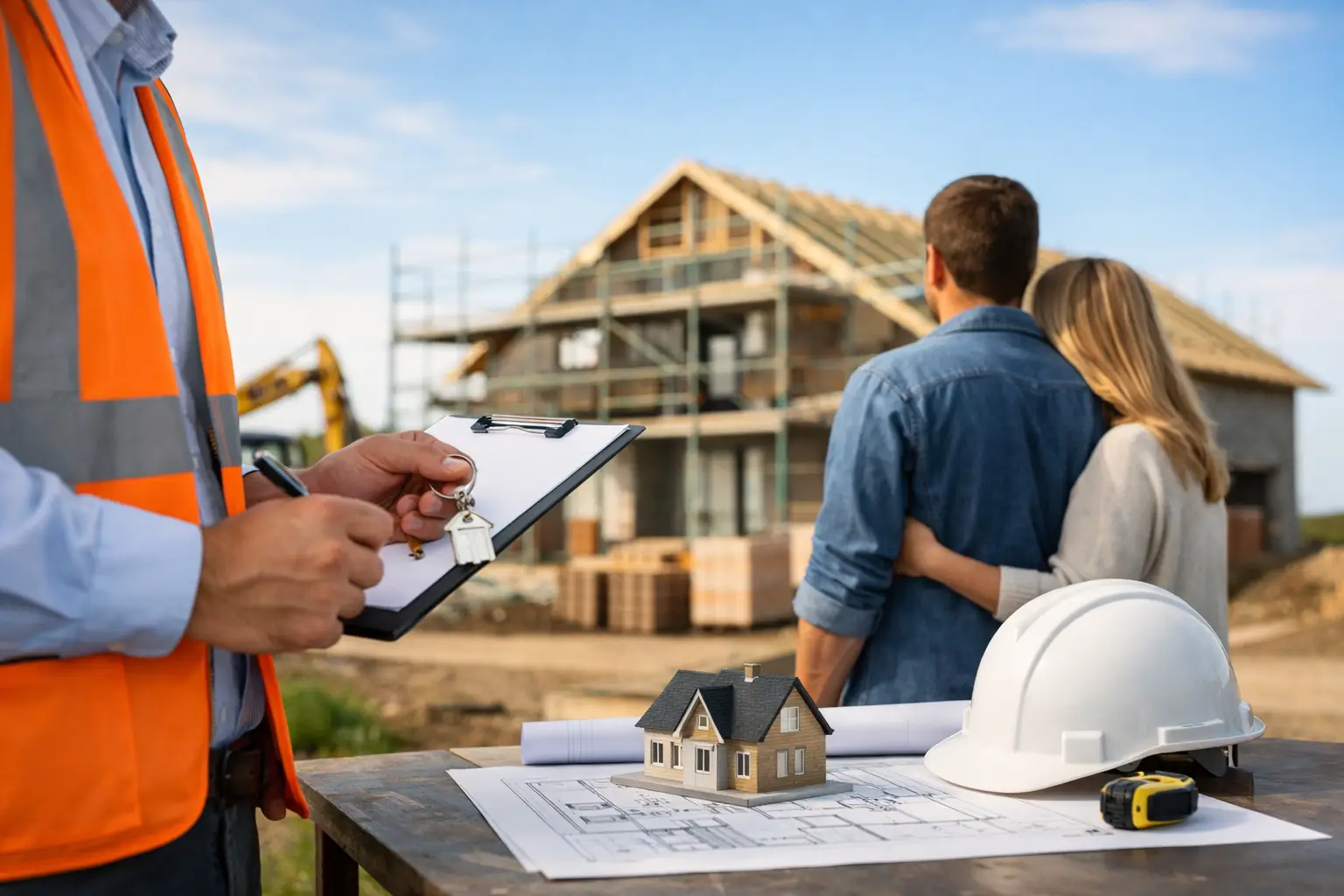
A beautiful display home can make almost any builder look capable. The real test is what happens after the contract is signed: how the site is assessed, how variations are controlled, whether waterproofing is checked before it is covered, and who takes responsibility when a detail needs fixing. If you are searching for a Home Builder Point Cook, those are the questions that protect your investment.
Point Cook homeowners are often balancing a growing family’s needs with a significant property decision. Some are replacing an ageing home, others are planning a tailored new build on an established block, and some are assessing a dual occupancy project. The right builder should do more than present attractive finishes. They should bring order, technical control and clear accountability to every stage of the work.
Choosing a Home Builder in Point Cook
Start by matching the builder to the type and complexity of your project. A straightforward new home, a knockdown rebuild and a dual occupancy development all need different levels of planning, coordination and risk management. A builder who is well suited to one may not be properly set up for another.
For a custom home or major renovation, look for evidence that the builder can manage design decisions before construction begins. This includes coordinating engineering, energy efficiency requirements, permit documentation, selections and buildability reviews. Design changes made on paper are far less costly than changes discovered after the slab is poured or framing has commenced.
For knockdown rebuilds, the process must also account for demolition, service disconnections, site access and the conditions of the existing block. In established parts of Point Cook, access can be tight and neighbouring properties need to be treated carefully. A builder should explain how they will protect the site, manage rubbish, coordinate trades and maintain safe access throughout the build.
Dual occupancy work requires another layer of discipline. Planning pathways, subdivision considerations, separate services, drainage, fire separation and construction sequencing can all affect timeframes and cost. Do not accept broad assurances that a builder can “handle everything”. Ask which consultants are involved, what is included in their scope, and who is responsible for keeping approvals moving.
Look Beyond the Façade and Finishes
Premium construction is not defined by stone benchtops or a striking façade alone. Those elements matter, but the parts of a house that cannot be seen at handover usually determine whether it performs well over time.
Ask a prospective builder how they control the critical stages: site preparation, slab and framing, roof flashing, wall wrap, waterproofing, drainage and external cladding. The answer should be specific. A professional builder can explain the inspection points, the standards being worked to and how defects are identified before the next trade covers the work.
This matters particularly in Melbourne’s west, where soil conditions can vary from site to site. A proper soil test and engineering response are not paperwork exercises. They influence footing design, slab requirements and drainage decisions. No builder should make assumptions about your block based solely on nearby homes. The site needs to be assessed on its own conditions.
Coastal exposure can also be relevant in parts of Point Cook. The appropriate material and fixing choices depend on the property’s exact location, orientation and exposure, rather than a generic postcode rule. A good builder will identify these details early and document the solution, rather than treating them as an afterthought.
Fixed Pricing Needs a Defined Scope
A fixed-price contract provides confidence only when the inclusions are clear. A low initial figure can lose its appeal quickly if essential items have been excluded, allowances are unrealistic, or provisional sums are carrying too much of the project cost.
Before comparing quotes, compare scopes. Check whether the price includes demolition where required, permits, site costs, engineering, drainage, insulation upgrades, flooring, appliances, landscaping allowances and connections. Not every project needs every item included, but every exclusion should be visible and understood.
Allowances deserve particular scrutiny. An allowance can be appropriate where a selection has not been finalised or site information is genuinely unavailable. It should not be used as a vague placeholder for work that could have been properly investigated before contract. Ask what assumptions sit behind each allowance and what happens if the actual cost differs.
Variations are sometimes unavoidable. Homeowners change their minds, site conditions can reveal issues, and authorities may request amendments. The question is whether the builder has a disciplined variation process. You should receive the cost and programme impact in writing before the work proceeds, except where urgent safety work is required. That is how decisions remain yours, rather than becoming a surprise invoice later.
Ask Who Will Run Your Site
The person who sells the job is not always the person who builds it. That is not automatically a problem, but you need to know who holds day-to-day responsibility once work starts.
Ask who your main contact will be, how often you will receive updates, and how decisions are recorded. A well-run site has clear supervision, scheduled trade coordination and regular quality checks. It does not rely on homeowners chasing answers or turning up unexpectedly to find out what has changed.
Licensed, insured and appropriately qualified trades are fundamental. So is the builder’s willingness to stand behind their work. Credentials are a starting point, not the whole story. The stronger indicator is a documented process that checks work at key stages and rectifies issues while access is still available.
At Builda Group, that means treating structural quality and the concealed details with the same care as the finishes clients see every day. Bracing, flashing and waterproofing are not glamorous, but they are where build integrity is won or lost.
Understand the Point Cook Approval Pathway
A clear approval plan prevents false expectations. Depending on the property and the proposed work, your project may involve planning considerations, building permits, estate design guidelines, developer covenants or authority requirements. A new home in an estate may have façade and material controls, while an established property may need careful consideration of setbacks, overlooking and site coverage.
Your builder should review the relevant constraints before promising a start date. They should also be upfront about which matters sit with council, private building surveyors, developers, utility providers or external consultants. These parties operate to their own timeframes, and a responsible builder will not pretend they can control every approval date.
The best time to resolve compliance questions is during design development. Once construction documentation is complete, late changes can affect both budget and programme. Early coordination is not about slowing the project down. It is about preventing avoidable rework.
Use the First Meeting to Test the Builder
The first consultation should be practical, not a sales presentation. Bring your site details, inspiration images, must-have spaces and an honest budget range. In return, expect the builder to ask direct questions about your priorities, timing, family needs and tolerance for compromise.
Pay attention to whether they discuss the realities of the block, likely approvals, construction method and cost drivers. A builder who promises every wish list item without testing the budget is not being helpful. Good advice may include telling you where to spend, where to simplify and which choices will make the biggest difference to the home’s long-term performance.
You should also ask to see how quality is documented, how progress payments are structured, what the warranty position is, and how defects are handled after handover. A 10-year structural guarantee has value, but the day-to-day systems behind it matter just as much.
The right decision is rarely the cheapest quote or the most polished brochure. Choose the builder who can explain the work clearly, price it honestly and show how they will protect the quality of your home long after the keys are handed over.