
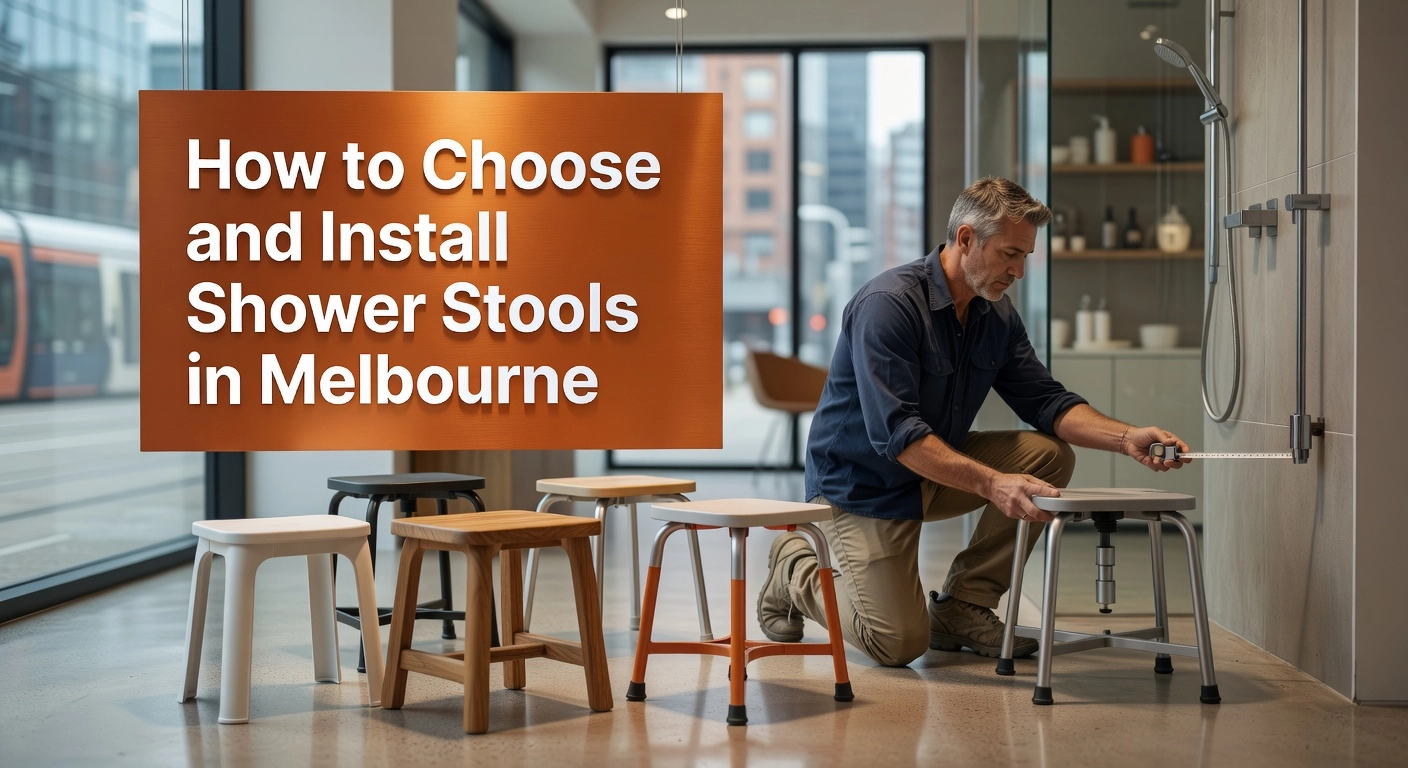
In the bustling city of Melbourne, where homes range from historic terraces to modern apartments, ensuring bathroom safety remains a priority for many households. Slippery surfaces and limited mobility can turn a routine shower into a hazardous activity. Selecting the appropriate support becomes essential for maintaining independence and preventing accidents. This guide delves into shower stools melbourne provides, equipping you with expert insights to navigate your options effectively.
You will explore critical criteria for choosing a shower stool, including size, adjustability, and resistance to moisture. The discussion extends to installation procedures that guarantee a secure fit without compromising your existing fixtures. Expect practical advice tailored to intermediate users who seek more than basic information. By following the recommendations presented here, you can transform your shower area into a secure sanctuary that meets both functional and aesthetic standards in Melbourne homes.
Assess Your Specific Accessibility Needs First
When planning to install a shower stool in a Melbourne bathroom, start by assessing the user’s specific needs and the physical space. This careful evaluation reduces fall risks for elderly residents or those managing mobility limitations, balance issues or fatigue. Many people with conditions such as arthritis, stroke recovery or general weakness find prolonged standing unsafe on wet surfaces.
Follow these steps to complete a thorough assessment.
- Identify user requirements such as mobility limitations, balance issues or fatigue that make standing in showers unsafe. Observe daily routines to note reduced endurance, dizziness from medication or poor sitting posture. In Australia, falls affect roughly one in three people aged 65 and over each year, with bathrooms ranking among the highest-risk zones. A clear picture of these challenges determines whether a basic stool works or if armrests and back support become essential.
- Measure bathroom dimensions including shower base width, wall space and doorway access. Record the recess depth and width, available studs for wall-mounted options, and clearance for safe transfers. Doorways ideally exceed 850 mm to allow easy entry without obstruction. Accurate figures prevent poor fits that could block water flow or movement, particularly in smaller Melbourne homes.
- Consult an occupational therapist for personalised recommendations on height, support features and weight capacity. An OT evaluates transfers, long-term progression and carer needs before prescribing equipment suited to individual users. This step proves vital for NDIS participants seeking compliant modifications across Melbourne and surrounds. Professional input aligns the stool with Australian Standards and supports funding applications.
- Review existing bathroom setup for potential modifications like non-slip flooring or grab rail additions. Check lighting, trip hazards and reinforcement points before pairing the stool with textured surfaces or rails installed at 800-810 mm heights. These additions improve stability during entry and exit.
Builda Group brings over a decade of experience managing NDIS accessibility modifications and bathroom upgrades throughout Melbourne. Our Domestic Builder Unlimited licence supports reliable integration of these changes. This assessment-first approach leads directly into selecting and installing the right stool for lasting safety.
Evaluate Essential Features for Melbourne Conditions
When selecting shower stools for Melbourne bathrooms, begin by prioritising adjustable height models with non-slip feet and padded seats rated for at least 110kg. These designs handle daily use in humid environments where floors can shift slightly or become slippery from condensation. Adjustable legs typically range across multiple settings to suit different user heights or uneven tiles common in Victorian homes. Non-slip rubber feet grip wet surfaces securely, while removable padded seats improve comfort and allow easy cleaning to prevent bacterial buildup. Occupational therapists often recommend these specifications for NDIS participants seeking stable support during renovations.
Next, consider materials like teak or reinforced plastic that resist mould and water damage prevalent in Melbourne’s variable climate. Teak contains natural oils that protect against mildew without extra treatments, making it suitable for prolonged exposure in steamy bathrooms. Reinforced plastic options offer lightweight durability and corrosion resistance, ideal for quick installation in extensions or repairs. Both choices provide reliable stability for users with mobility needs while withstanding the damp winters typical across Melbourne and surrounds.
Look for designs with armrests or fold-down options to maximise space in smaller bathrooms during renovations. Armrests aid safe transfers and add security for elderly residents or those recovering from injury. Foldable models tuck away neatly when not in use, preserving floor area in compact inner-city properties. These features align well with unit developments where efficient layouts matter.
Finally, check for wall-mounted or freestanding options that support long-term reliability in insurance repair works or NDIS accessibility upgrades. Freestanding stools allow flexible placement for temporary setups, whereas wall-mounted versions deliver permanent stability after professional fitting. A licensed Victorian residential builder with a Domestic Builder Unlimited licence can integrate either type seamlessly into broader modifications. Explore compliant shower seat options and review specific models such as those with padded arms for added support. This evaluation ensures your choice meets practical demands before installation proceeds.
Confirm NDIS Compliance and Funding Pathways
Before installing a shower stool as part of an NDIS accessibility upgrade in Melbourne, confirm every element meets required standards to support funding approval and long-term safety. Begin by verifying that the selected products comply with Australian Standards such as AS 1428.1-2009 for accessible sanitary facilities and AS 4586 for slip resistance in wet areas. Check weight capacity ratings above 110 kilograms, non-slip feet, and stable construction through product certificates and occupational therapist assessments. This verification ensures the stool integrates safely with level-entry showers or widened doorways while reducing fall risks for participants with mobility limitations.
Next, engage a registered builder who holds a Domestic Builder Unlimited licence to handle the work. This licence class, issued by the Victorian Building Authority, authorises full responsibility for structural changes, plumbing adjustments, and complex bathroom renovations across Class 1 and 2 buildings. Builders with this credential manage permits, waterproofing to AS 3740, and final certifications that prevent funding delays or rejections.
Document every stage thoroughly, including the occupational therapist report outlining functional needs, before-and-after photos, itemised quotes, and compliance records. These materials support NDIS plan reviews, insurance claims, and future modifications by demonstrating clear risk reduction and independence gains.
Finally, coordinate with local suppliers of OT-approved items so the builder can incorporate the stool into broader renovations or unit developments. This sequence starts with an assessment, moves to product selection and installation planning, and ends with submission of complete records to the NDIA planner. The outcome is a compliant, functional modification that qualifies for funding and delivers reliable daily support across Melbourne and surrounding areas.
Follow a Clear Installation Process
Once compliance checks are complete, the actual fitting of a shower stool in a Melbourne home follows a methodical sequence that prioritises safety and long-term performance. Builda Group manages every stage with the care that comes from more than ten years of hands-on work across new builds, renovations and NDIS accessibility modifications. Homeowners and participants benefit when the process stays transparent and the installer remains on site until everything functions as intended.
- Preparation starts by clearing the shower recess of all mats, bottles and loose items so the floor and walls can be inspected thoroughly. Floor levels are checked with a spirit level because even minor slopes affect stability on freestanding models. Plumbing positions are confirmed to avoid clashes with drains or pipes during later fixing. This assessment also identifies stud locations for wall-mounted options and notes any existing waterproofing that must stay intact. The result is a clear workspace ready for accurate placement without unexpected delays.
- Securing the stool or wall brackets uses stainless-steel or aluminium fixings rated for constant moisture and the specified user weight load, typically 110 to 125 kilograms. Freestanding units rest on adjustable non-slip feet, while wall-mounted seats are anchored into timber studs with corrosion-resistant hardware. Builda Group holds a Domestic Builder Unlimited licence, which covers these structural connections in wet areas across Melbourne and surrounding suburbs. Every fixing is tightened to manufacturer torque settings and tested before the next step begins.
- Stability testing and height adjustment happen with the user present so the seat sits roughly five centimetres above the popliteal crease for safe sit-to-stand transfers. Each leg is fine-tuned on site to eliminate rocking, and the user practices standing and sitting while support is available. Reach to the shower controls and soap shelf is verified at the same time. This live adjustment removes guesswork and confirms the stool meets the individual’s exact requirements before handover.
- Complementary items such as grab rails and non-slip mats are fitted during the same visit to create one cohesive accessible zone. Rails are positioned to support transfers, and flooring treatments reduce slip risk on wet surfaces. The combined installation minimises disruption for NDIS participants and household members alike. Final checks include load testing the complete setup and providing clear guidance on daily use and basic maintenance.
The outcome is a reliable shower stool integrated into a broader accessible bathroom that supports independence and reduces fall risk for years ahead.
Take Action on Shower Safety Upgrades
Contacting a licensed builder with NDIS experience starts the process of upgrading shower safety in your Melbourne home. They assess structural details such as wall studs and layout constraints, then outline compliant installation options that align with current accessibility standards.
- Combine stool selection with any planned renovations or extensions. This approach creates integrated results that support aging in place and disability needs without future disruption.
- Request a site visit to review your bathroom. A holder of the Domestic Builder Unlimited licence can explain how this credential authorises full oversight of the work, delivering consistent quality and compliance from start to finish across Melbourne and surrounds.
- Prioritise professional installation over DIY methods. Qualified work avoids risks such as insecure fixings that lead to falls, while strengthening eligibility for Victorian funding support.
Falls remain the leading cause of accidental injury for older Australians, with one in four people aged 65 and over experiencing at least one each year. Builda Group applies more than ten years of hands-on expertise to every accessibility project, managing each stage with transparency.
Conclusion
Selecting the right shower stool requires careful attention to size, adjustability, and moisture resistance for Melbourne bathrooms. Secure installation protects your fixtures while delivering reliable support. This guide has shared targeted advice to boost safety and preserve independence during daily routines. By following these steps you gain both practical function and visual appeal in one upgrade. Measure your space today and review quality options available locally. Prioritize durable choices that match your needs for lasting results. Create a bathroom environment that supports confident living and reduces risks for every household member.