
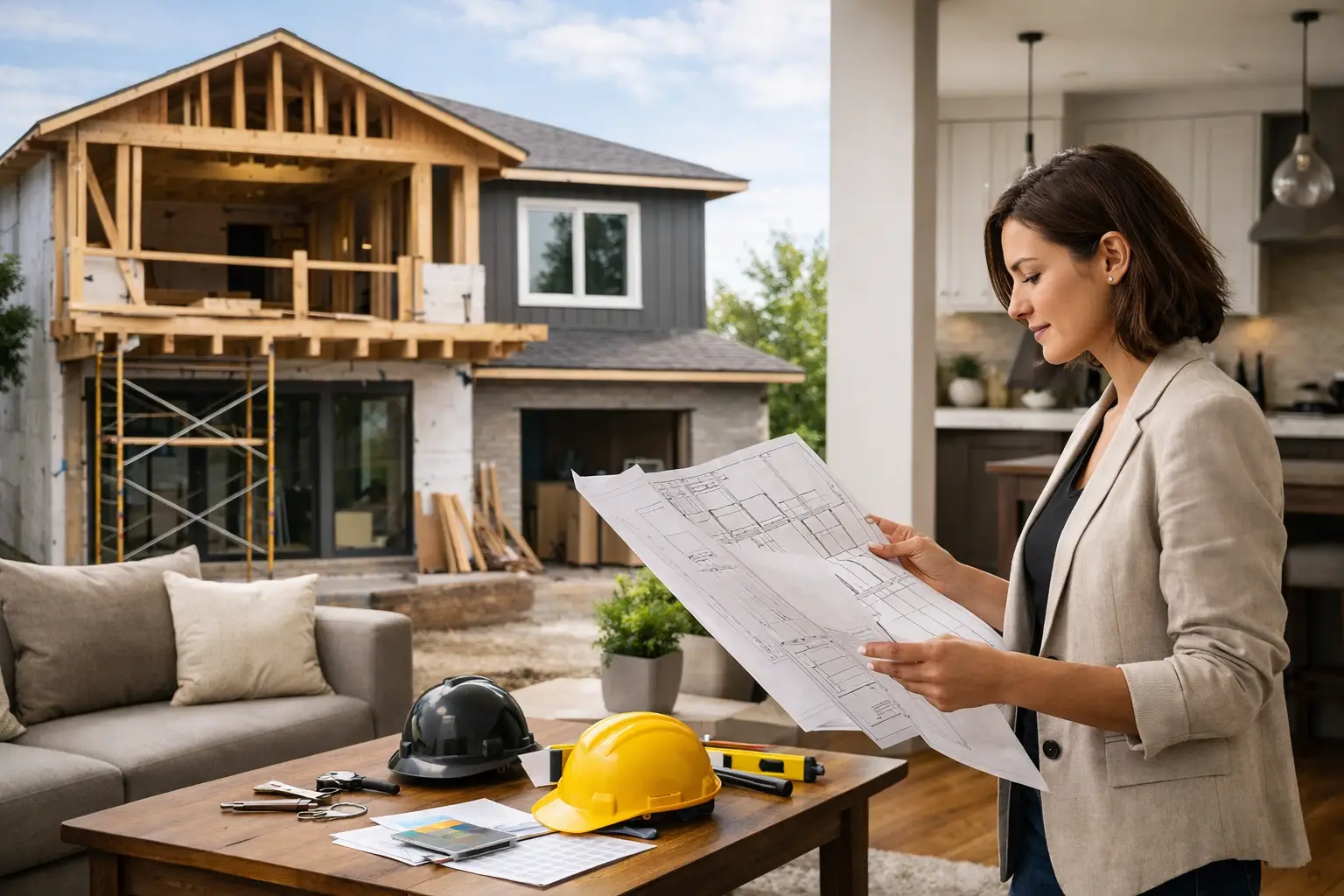
A suspended builder can leave you with far more than an unfinished house. There may be exposed framing, incomplete waterproofing, unsecured materials, expired permits, unpaid trades and a loan still drawing interest. If you are searching for “Aliya Homes Suspended: How Builda Group Can Help You Complete Your Unfinished Home and Lodge Your DBI Insurance Claim”, the first priority is to protect the site and establish exactly where you stand before anyone resumes work.
A replacement builder cannot responsibly walk onto a stalled project and simply pick up where the last builder stopped. The visible work is only part of the story. The real risk sits behind walls, beneath slabs and within details that may not yet have been inspected or documented. A proper recovery process starts with evidence, scope and compliance – then moves to pricing and construction.
When Aliya Homes is suspended, act before the site deteriorates
Do not assume that a suspension automatically means the building contract has ended or that a Domestic Building Insurance claim has been accepted. The right course depends on the terms of your contract, the reason the builder has stopped work, the status of any insolvency process and the conditions of your DBI policy.
Start by securing the property. Photograph every area of the build, including internal rooms, external elevations, stored materials, service penetrations, temporary weather protection and any apparent defects. Date the images and retain them in one location. If the site is exposed to weather, damage can accelerate quickly, particularly around timber framing, roof openings, incomplete flashing and unfinished waterproofing.
You should also gather your signed contract, specifications, approved plans, variations, invoices, payment receipts, building permit, occupancy documentation if any has been issued, engineering documents, inspection records and all correspondence with Aliya Homes. These records are not administrative clutter. They are the basis for determining completed work, incomplete work, paid materials and the likely cost to finish.
Avoid making further payments unless you have received clear written advice about who is entitled to them and why. Equally, do not remove materials from site or engage trades to alter the works before documenting the condition of the project. Both actions can complicate an insurance assessment or a later dispute about what was present when work ceased.
Check whether your DBI policy can respond
Domestic Building Insurance in Victoria is designed to protect homeowners in defined circumstances, including where a builder dies, disappears or becomes insolvent. The cover may assist with the reasonable cost of completing incomplete domestic building work or rectifying defects, subject to the policy terms, caps, exclusions and the circumstances of the claim.
A builder being suspended, or simply failing to attend site, does not necessarily create an immediate DBI entitlement. That distinction matters. Your insurer will need to assess the builder’s status and the evidence supporting your claim. Check the certificate of insurance issued for your project and follow the claim notification process stated in the policy documents.
It is sensible to obtain independent legal advice where the contract termination process, alleged defects, unpaid subcontractors or insolvency issues are unclear. A construction lawyer can help you understand your contractual position before you take a step that may affect your rights. Insurance decisions are made by the insurer, not by the replacement builder, so no builder should promise that a claim will be approved or specify what the insurer will pay.
What a competent replacement builder can do is provide technically credible information about the site condition, the work required to make it safe and compliant, and the realistic cost of completion. That information can be valuable when preparing your claim material.
How Builda Group can assess an unfinished home
Builda Group approaches incomplete projects as recovery builds, not ordinary new starts. Before quoting to complete a home, the work needs a disciplined review of what has been built, what can be retained and what must be repaired, removed or redesigned.
The process generally begins with a detailed site inspection against the approved drawings, specifications and permit documentation. The aim is to identify completed stages, incomplete trades, visible defects, water exposure, structural concerns and gaps between the built work and the approved design.
Particular attention should be given to the construction details that are difficult to verify later. This includes slab and frame interfaces, bracing, tie-downs, roof and wall flashing, balcony drainage, waterproofing substrates, window installation, service rough-ins, termite management where applicable, and fire or acoustic requirements for attached dwellings. A house can look close to completion while carrying substantial risk in these concealed elements.
Where records are incomplete, further investigation may be required. That can involve engaging engineers, building surveyors, waterproofing specialists or other qualified consultants. It adds time and cost at the front end, but guessing is more expensive. A completion contract should be based on verified conditions, not assumptions about work performed by someone else.
Aliya Homes suspended: completing the build properly
Once the existing works have been assessed, the recovery plan needs to separate urgent protection work from the broader completion scope. Temporary weatherproofing, securing the site and addressing immediate safety hazards may need to happen first. The remaining work can then be documented in a clear scope that identifies rectification, replacement and new construction separately.
This is particularly important where insurance is involved. A claim may distinguish between damage caused by exposure after work stopped, defective work, incomplete contracted work and upgrades outside the original contract. A transparent scope helps show why each item is required and reduces the risk of confusion once construction recommences.
A fixed-price completion contract may be possible once the condition of the site, documents and required rectification are sufficiently clear. However, homeowners should be wary of a quick headline price delivered without opening up questionable areas or checking permit and engineering requirements. With a stalled build, a low figure based on limited information can become a stream of variations later.
The stronger approach is to document assumptions, nominate exclusions and identify provisional items honestly where further investigation is unavoidable. It is not always the fastest path to a contract, but it is the sounder path to finishing the home without repeating the same uncertainty.
Prepare material that supports a DBI claim
Your insurer will set its own claim requirements, but clear, organised evidence gives the assessment process a better foundation. Keep a chronological record of events from the last confirmed attendance on site through to any formal notice, suspension or insolvency update.
Useful material commonly includes:
- the domestic building contract, specifications, plans and approved variations;
- the DBI certificate and correspondence from the insurer or relevant authorities;
- invoices, progress claims, bank records and receipts showing payments made;
- dated photographs and videos showing the condition of the site and stored materials;
- permit, inspection and engineering records; and
- an independent scope or builder’s assessment that identifies incomplete work, defects, safety issues and estimated completion costs.
A replacement builder’s report should be factual. It should state what was observed, what documents were reviewed, what cannot be verified and what works are recommended. It should not overstate causation or make legal conclusions beyond the builder’s expertise. Clear construction evidence is more useful than dramatic language.
Restarting construction without creating new problems
Before a new builder takes control of the site, the project may require a new domestic building contract, building permit arrangements, updated insurance documentation and confirmation of the responsible building surveyor’s requirements. The answer will vary with the stage of the build and the existing permit status.
There can also be practical issues around materials. Some items may be on site but not owned by you, may be damaged, or may no longer meet the required specification. Others may have long lead times, particularly custom windows, joinery, cladding or specialised fixtures. A realistic programme accounts for these constraints rather than promising an artificial handover date.
Build quality also needs to be re-established from the first day. That means documented stage inspections, licensed and insured trades, verified materials and proper sequencing. Waterproofing should not be covered before it is checked. Flashings should not be treated as an afterthought. Structural fixes should be engineered where required. These are the details that determine whether the completed home performs for decades, not merely whether it looks finished at handover.
The most constructive next step is a properly documented site assessment. It gives you a clearer basis for your insurer, advisers and replacement builder, and it replaces uncertainty with a practical plan to protect the work already completed and finish the home to the standard it should have received from the start.